

Determining Which Brochure Size fits your marketing goals is a critical decision for ensuring maximum impact. Ideal dimensions depend on content volume, distribution methods, and your preference for portability or visual appeal. Choosing the right format dictates how customers perceive your brand authority and attention to detail.
When evaluating Which Brochure Size, consider these essential factors:
- Standard A4 is perfect for detailed corporate presentations.
- Compact A5 or DL sizes work best for high-traffic mailings.
- Square formats offer a modern, creative edge for portfolios.
- Tri-fold layouts maximize space without increasing the footprint.
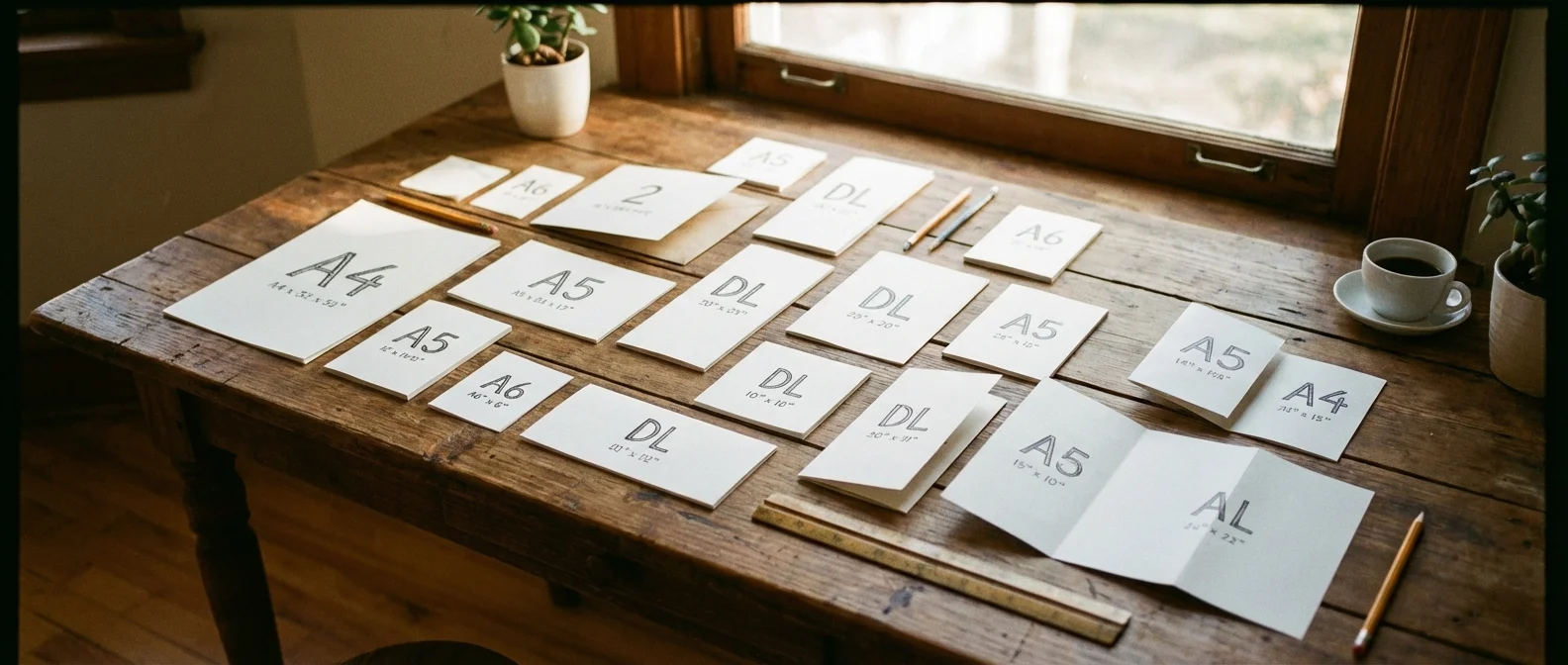
Understanding how to choose Which Brochure Size ensures your message remains clear. Always test your selected format against your budget and mailing requirements to avoid unexpected costs and ensure professional results.
Understanding Standard Dimensions: Which Brochure Size to Choose
Selecting the right physical format for marketing collateral bridges the gap between creative vision and practical distribution. When starting a design project, the question of Which Brochure Size is most appropriate can feel overwhelming. Dimensions dictate how much information you include and how the recipient perceives your brand’s authority. A choice that is too small might feel cluttered, while a choice that is too large could be cumbersome for a potential client to carry away from a trade show.
Standardization in the printing industry ensures cost-efficiency and compatibility with mailing systems. Most designers start with the “A” series, the international standard (ISO 216) used globally, except in North America. Understanding these increments is vital because each size is exactly half the area of the previous one. For instance, an A4 sheet folded in half becomes an A5 brochure. This mathematical harmony allows for scalable designs and reduces paper waste, making it a sustainable choice for businesses mindful of their environmental footprint.
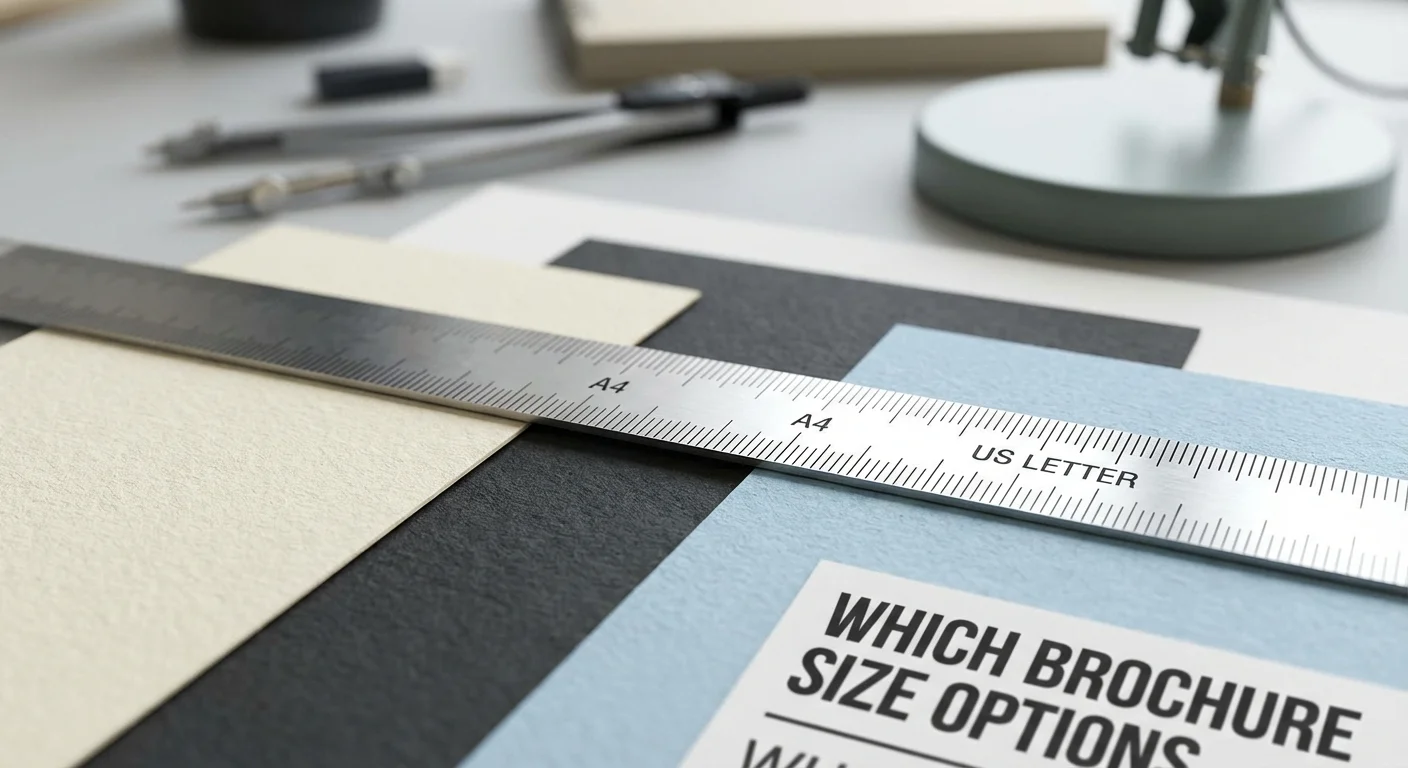
When determining Which Brochure Size fits your campaign, consider the “hand-feel” of the product. An A4 brochure (210 x 297 mm) provides a generous canvas for high-resolution imagery and technical specifications. It is the gold standard for corporate reports and luxury catalogs where visual impact is paramount. However, if your goal is portability, the A5 (148 x 210 mm) is often preferred. It fits easily into a handbag, making it the ideal companion for tourism leaflets or event guides. The compact nature of A5 forces a disciplined approach to copywriting for Brochures, ensuring only vital information makes the cut.
For those in the United States or Canada, the conversation regarding Which Brochure Size shifts toward North American standards. The most common format is the Letter size (8.5 x 11 inches). This is the equivalent of the international A4 and is the backbone of most office printers. Beyond Letter, the Legal size (8.5 x 14 inches) offers extra vertical space, frequently utilized for tri-fold menus or detailed service brochures that require long columns of text. Choosing between these requires understanding your distribution logistics.
To help you navigate these choices, consider these common applications for standard brochure sizes:
- A4 / Letter: Best for high-end corporate presentations, annual reports, and detailed product catalogs.
- A5: Perfect for promotional flyers, instructional booklets, and trade show handouts.
- DL (99 x 210 mm): The classic “envelope” size, ideal for price lists, vouchers, and direct mail.
- A6: Small and punchy, often used for “save the date” cards or quick-reference pocket guides.
- Square (e.g., 210 x 210 mm): A modern, creative choice that stands out due to its non-traditional silhouette.
The psychology of size cannot be ignored. A larger format often conveys a sense of premium quality. If you are launching a luxury real estate development, a large-format brochure suggests exclusivity. Conversely, a smaller, well-designed DL brochure can feel accessible. When debating Which Brochure Size selection criteria for marketing experts, align the physical dimensions with the intended “shelf life” of the document. Is it meant to be kept on a coffee table, or is it a quick-reference guide meant to be recycled?
“The medium is the message. The physical constraints of your chosen brochure size act as the first layer of communication with your audience, even before they read a single word of your copy.”
Finally, consult with your printer before finalizing your decision on Which Brochure Size to use. While standard sizes are generally more affordable, custom die-cuts can add a unique flair. However, custom sizes often come with higher costs and longer lead times. By sticking to standard dimensions, you benefit from faster turnaround times and lower shipping costs, as these sizes are optimized for standard postage rates. Ultimately, the best Which Brochure Size is the one that balances creative ambitions with the practical realities of your budget.
The Benefits of Using A4 and A5 Sizes for Business
In physical marketing, the dimensions of your printed materials speak volumes. Selecting the right format is a strategic decision that influences how your brand is perceived. Many companies struggle with the initial question: Which Brochure Size truly aligns with their corporate identity? In the professional landscape, A4 and A5 remain the undisputed champions of versatility.
The A4 format, measuring 210 x 297 mm, is the international standard for business documentation. Its primary benefit lies in the generous surface area. For businesses dealing with complex technical data or high-resolution imagery, the A4 size offers the necessary “breathing room” to prevent a cluttered layout. When deciding Which Brochure Size to use for a high-end property portfolio or an annual report, A4 is almost always the superior choice because it commands authority and provides a canvas for sophisticated design elements.
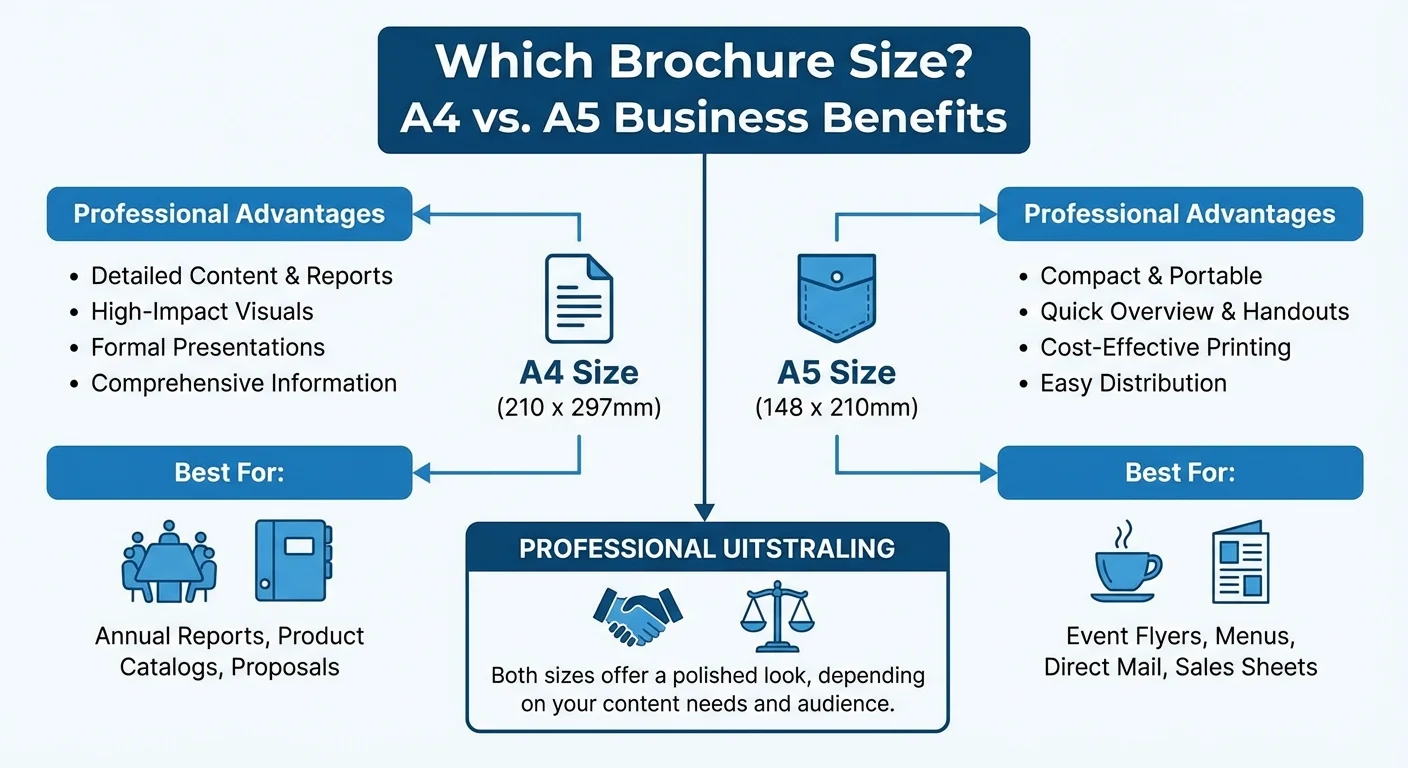
On the other hand, the A5 size (148 x 210 mm) offers a compact alternative. It is exactly half the size of an A4 sheet, making it cost-effective for mass distribution. The A5 format is effective for trade shows, letterbox drops, and point-of-sale displays. Because it fits easily into a pocket, it has a higher “keep rate” than larger formats. When evaluating Which Brochure Size selection criteria for corporate branding, consider the physical journey of the document from the representative to the decision-maker.
Consider the following strategic advantages of these two formats:
- A4 Professionalism: Ideal for formal presentations and detailed catalogs where readability is paramount.
- A5 Convenience: Perfect for promotional flyers and quick-reference guides that need to be portable.
- Standardization: Both sizes fit into standard envelope types (C4 for A4, and C5 for A5), which simplifies logistics.
- Design Flexibility: A4 allows for multi-column layouts, while A5 encourages a focused approach.
Determining Which Brochure Size fits your project also involves looking at internal production capabilities. Most office printers are optimized for A4, making it easy to produce mock-ups. However, for external marketing, professional printing is essential to ensure colors pop and paper weight feels premium. A well-executed A5 booklet can often feel more “exclusive” than a standard A4 sheet, simply because of its proportions and the way it opens like a small book.
“The physical dimensions of your marketing collateral act as a silent ambassador for your brand’s attention to detail and understanding of the customer’s needs.”
Another factor in the Which Brochure Size debate is the psychological impact. An A4 brochure feels like a “document,” which can be beneficial if you want to be taken seriously in a B2B environment. It suggests transparency. Conversely, an A5 brochure feels like an “invitation.” It is less intimidating and more inviting to browse during a coffee break. This subtle difference can significantly affect the conversion rate of your call-to-action.
When finalizing your layout, remember that Which Brochure Size you pick dictates font sizes and image scales. An A4 page can comfortably handle 11pt body text with large margins, whereas an A5 page might require a more condensed approach. Always prioritize legibility over trying to cram too much content into a smaller space. If your content is heavy, stick to A4. If your message is punchy and visual, A5 will serve you better.
Ultimately, the decision of Which Brochure Size to implement should be based on your distribution method. If you are handing them out at a busy conference, the portability of A5 is a winner. If you are sending a high-value proposal through the mail, the stature of A4 is unmatched. By understanding these nuances, businesses can ensure their printed materials are not just seen, but kept and acted upon.
Creative Square and DL Formats for Unique Marketing
When navigating the world of print marketing, standard A4 or A5 options might feel too conventional. This is where the discussion about Which Brochure Size becomes interesting. Choosing a non-traditional format like a square or a DL size can signal that your brand values creativity. These formats break the visual monotony of standard mail, forcing the recipient to take a second look at the physical object in their hands.
Square brochures are effective for high-end portfolios, architectural firms, and lifestyle brands. The symmetrical nature of a square layout provides a balanced canvas perfect for high-resolution photography. When considering Which Brochure Size fits a premium product launch, the 210mm x 210mm square format often emerges as a winner. It feels substantial and luxurious, offering a tactile experience that standard rectangular shapes cannot replicate. It invites the reader to engage with the content in a deliberate, artistic way.
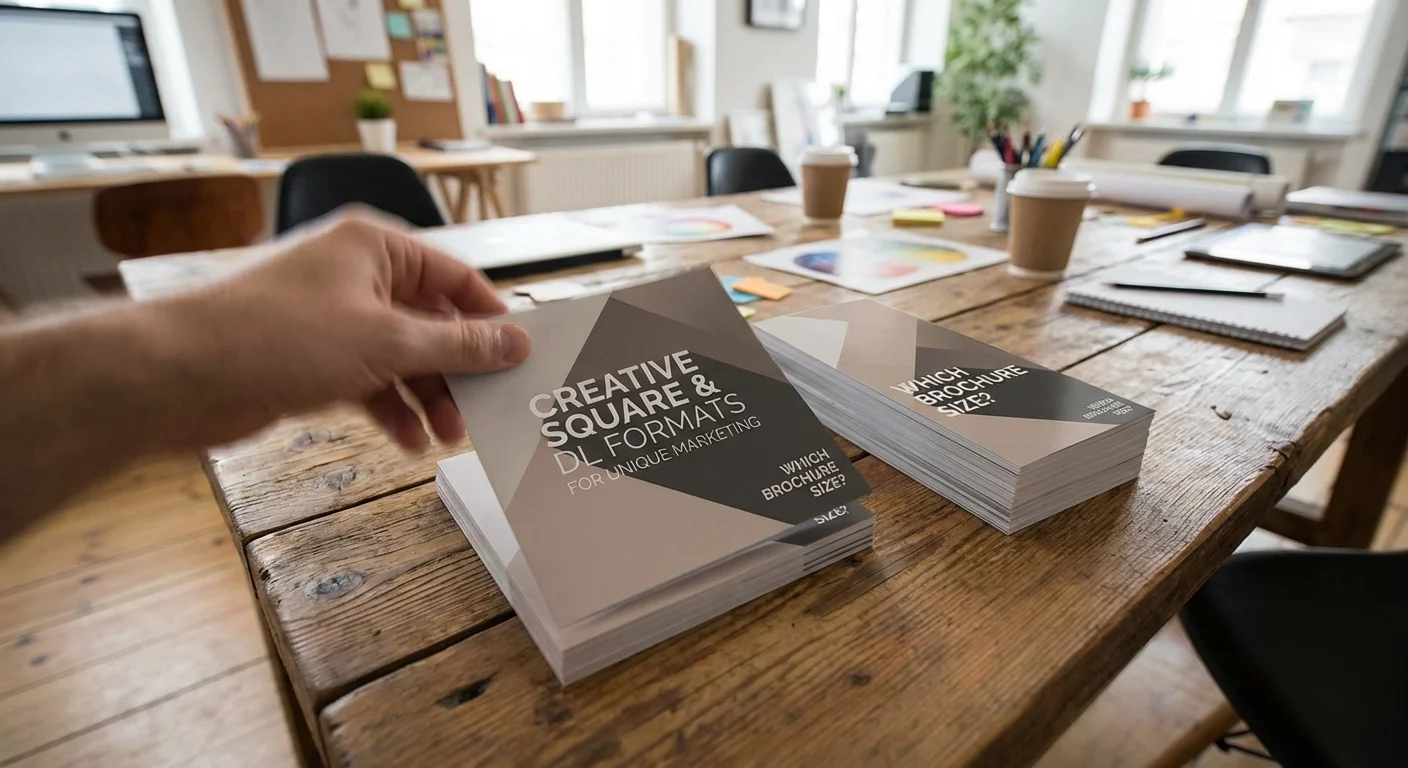
On the other hand, the DL format (Dimension Lengthwise) is the unsung hero of marketing. Measuring 99mm x 210mm, it is exactly one-third of an A4 sheet. This size is designed to fit perfectly into standard envelopes, making it the most cost-effective choice for direct mail campaigns. If you are wondering Which Brochure Size is best for high-volume mailing, the DL format is almost always the answer. Its slim profile makes it easy to display in rack cards at tourist information centers or hotel lobbies.
The versatility of these formats allows for a structured approach to information hierarchy. Because dimensions are unique, you are forced to think differently about grid systems and typography. For instance, a DL brochure works well with vertical lists and striking imagery. It encourages a “top-to-bottom” reading flow that is intuitive for quick consumption of information like price lists, service menus, or event schedules.
Consider the following benefits of these unique formats:
- Square Formats: Provide a modern aesthetic that appeals to design-conscious demographics.
- DL Formats: Highly portable and pocket-friendly, increasing the likelihood a customer will take it home.
- Brand Differentiation: Using a unique size helps your materials stand out in a pile of standard documents.
- Tactile Engagement: The unusual weight of a square brochure encourages longer interaction times.
“The physical dimensions of your marketing collateral are just as communicative as the copy written upon them. A choice in size is a choice in brand positioning.”
Furthermore, technical aspects of printing these sizes should not be overlooked. Square brochures often require custom envelopes, which can add to the total project cost. However, the impact they make often justifies the investment. When analyzing Which Brochure Size provides the best return for a luxury brand, the square format frequently outperforms standard sizes because of its perceived value. People are less likely to throw away something that feels like a collector’s item.
The DL format, conversely, is the king of practicality. It is the ideal choice for brochures that need to be carried around. Think of museum guides, maps, or promotional flyers. The narrow width allows for a comfortable grip, making it easy for users to flip through panels while on the move. When businesses ask Which Brochure Size is most functional for “on-the-go” customers, the DL format remains the undisputed champion due to its ergonomic design.
Ultimately, your choice depends on the specific goals of your campaign. If you are looking to create a lasting impression with a high-impact visual presentation, go square. If you need a practical, cost-effective tool for mass distribution, the DL format is your best friend. Both options offer a refreshing departure from the standard A-series, ensuring your message isn’t just seen, but remembered. Choosing Which Brochure Size to use is the first step in crafting a physical touchpoint that resonates with your audience.
How to Match Your Content Volume with the Right Layout
Selecting the perfect dimensions for marketing materials is a strategic decision that impacts how your audience consumes information. When asking yourself Which Brochure Size will best serve your goals, you must first audit your total content volume. A common mistake is trying to squeeze a technical whitepaper’s worth of text into a standard tri-fold, resulting in a cluttered mess. Conversely, a minimalist brand message can look lost on an oversized A3 spread.
The relationship between white space and text density is the secret of professional design. If you have high-resolution imagery and a compelling narrative, you need a canvas that allows those elements to breathe. Determining Which Brochure Size fits your project involves balancing the physical footprint with the psychological impact. Large formats suggest authority, while smaller options imply convenience. Your layout should guide the eye naturally from the headline to the call-to-action without overwhelming the senses.
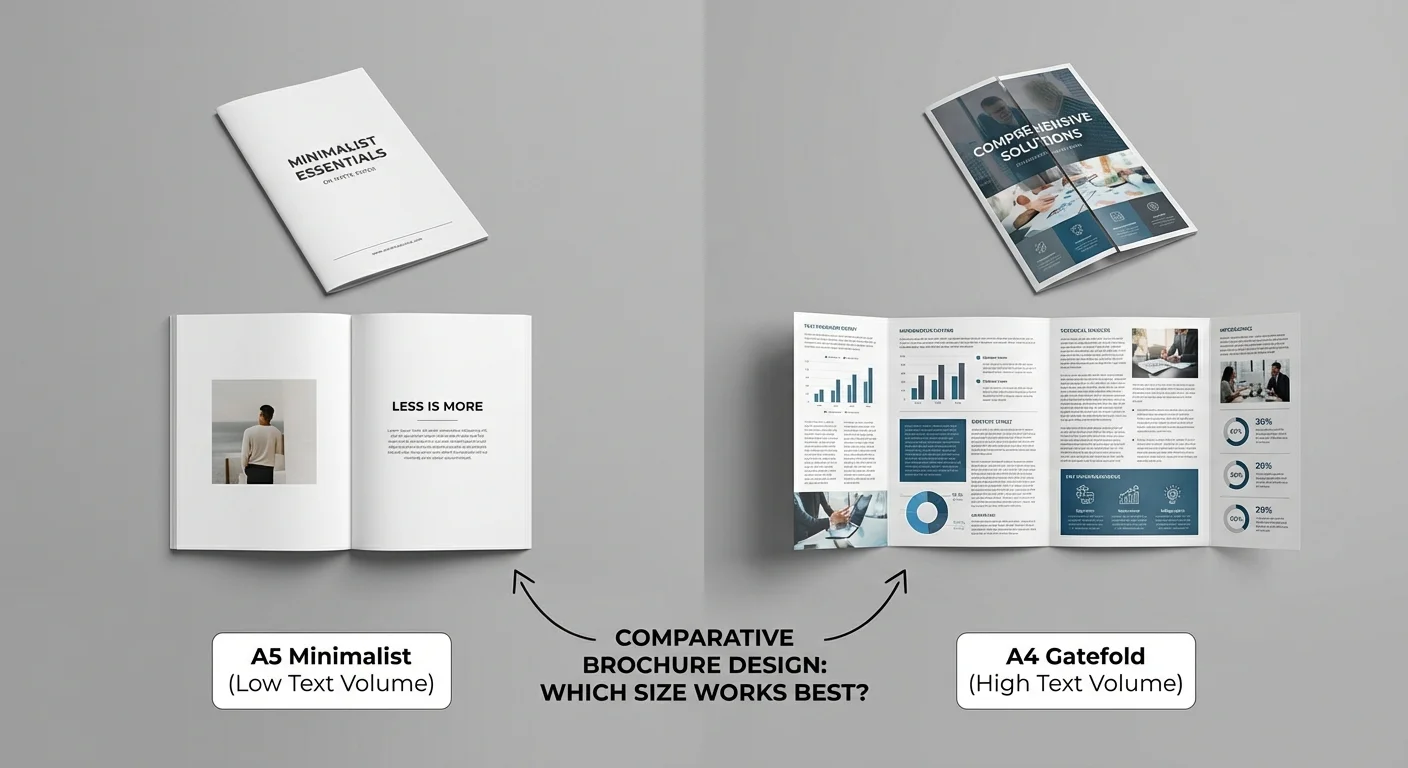
To help you navigate this process, consider these guidelines for matching content needs with effective physical dimensions:
- Minimalist Portfolios: Use square formats (210mm x 210mm) to emphasize photography and punchy captions.
- Product Catalogs: Opt for A4 or Letter size to accommodate multiple grid-based product listings.
- Event Programs: A5 or DL sizes are ideal for schedules and maps, as they are easy to carry.
- Corporate Profiles: Oversized formats or landscape A4 layouts provide a premium feel for storytelling.
When deep in the creative process, it is essential to maintain a productive rhythm. If you struggle with the technicalities of the design phase, you might find inspiration in this definitive guide to make a daily more productive working flow. Efficiency in the planning stage ensures you don’t spend hours designing for the wrong dimensions, only to realize later that your text won’t fit the chosen template.
The question of Which Brochure Size also hinges on the complexity of your hierarchy. If your content includes several sub-headers and charts, you require a layout that supports multi-column structures. A standard A4 bi-fold offers four distinct panels, perfect for a “Problem-Solution-Proof” narrative. However, if your message is a singular statement, a large-format single-sheet flyer might be more impactful than a multi-page booklet. You must visualize the unfolding experience; each panel should reveal a new layer of information.
“Design is not just what it looks like and feels like. Design is how it works. In the world of print, how it works is defined by the physical interaction between the reader and the paper size.”
For those starting out in print marketing, it is vital to understand the Which Brochure Size tips for beginners that experts use to save costs. Printing on standard sizes like A4 or A5 is significantly cheaper than requesting custom die-cut dimensions. Standard sizes are optimized for commercial presses, meaning less paper waste and faster turnaround. Before finalizing your layout, check with your printer to see if your chosen Which Brochure Size aligns with their standard paper stocks to avoid surcharges.
Furthermore, consider the distribution method. If your brochures are meant for a wall rack, they must be tall enough to be seen over the front lip of the holder. If they are being mailed, they must fit into standard envelope sizes to keep postage costs down. This logistical aspect is as important as the visual layout. When deciding Which Brochure Size is right for your campaign, think about the journey of the brochure from the printer’s box to the customer’s hand. A beautiful layout is useless if it gets crumpled in a mailbox.
Finally, remember that the tactile experience of paper weight combined with the layout can elevate your brand. A heavy-weight A5 card feels more substantial than a flimsy A4 sheet. As you refine your choice of Which Brochure Size, print a 1:1 scale mockup on your home office printer. Fold it, hold it, and read it. This physical prototype will reveal layout flaws invisible on a digital screen, such as text getting lost in the gutter or margins that are too narrow for comfortable thumb placement.
Paper Weight and Finish Options for Your Selected Size
Once you have determined which brochure size fits your marketing goals, the next critical step is selecting the right paper weight and finish. The tactile experience of a brochure often dictates how a potential customer perceives your brand’s quality. If you are still debating Which Brochure Size is ideal for a premium feel, remember that a larger format usually requires a heavier paper stock to prevent drooping during distribution.
For standard promotional handouts, a paper weight between 130gsm and 170gsm is common. However, for high-end corporate presentations, many designers opt for 250gsm or higher. When asking yourself Which Brochure Size works best with thick cardstock, consider that smaller sizes like A5 or DL feel much more substantial when printed on heavier weights. This creates a lasting impression that digital media simply cannot replicate.
To help you decide, consider these popular finish combinations:
- Gloss Finish: Perfect for vibrant photography and high-impact visuals.
- Matte Finish: Provides a sophisticated, non-reflective surface that is easy to read.
- Silk/Satin: A middle ground offering a slight sheen without the intense glare of gloss.
- Uncoated: Ideal for a rustic or minimalist look, allowing for easy writing.
The relationship between texture and dimensions is vital. For instance, choosing which brochure size for luxury branding often involves pairing a square format with a soft-touch laminate. If you are looking to improve your overall design process, you might find inspiration in the highly creative UI/UX workflow from a Silicon Valley perspective, as layout principles often translate from screen to print.
Ultimately, Which Brochure Size you select will dictate the technical constraints of your finish. Large A3 brochures may require a UV coating for extra durability, whereas a pocket-sized Z-fold might prioritize a thinner paper to ensure it folds cleanly. Always request a physical sample pack before finalizing your order. By aligning Which Brochure Size with the correct GSM and coating, you ensure your marketing collateral remains both functional and visually stunning for your target audience.
Final Checklist for Selecting the Perfect Brochure Dimensions
Choosing the right physical format for your marketing materials is a critical decision that bridges the gap between creative design and practical logistics. When determining Which Brochure Size aligns with your brand goals, you must evaluate how the end-user will interact with the piece. A luxury real estate brochure requires a different tactile experience than a quick-service menu or a corporate event program.
To ensure you make an informed choice, follow this essential checklist before sending your files to the printer:
- Content Volume: Does the layout feel cramped or is there too much white space?
- Distribution Method: Will it be mailed in a standard envelope or handed out at a trade show?
- Budget Constraints: Have you accounted for the cost differences between A4, A5, and DL formats?
- Paper Weight: Heavier stock often complements larger dimensions to prevent drooping.
As you finalize your project, remember that technical execution is as important as the aesthetic. For those looking to refine their professional output, checking a definitive design checklist can prevent common formatting errors. Understanding Which Brochure Size works best for your specific industry will save time and resources during the production phase.
“The physical dimension of your print media dictates the hierarchy of information and the overall flow of the user journey.”
If you are still wondering Which Brochure Size provides the best return on investment, consider the versatility of the Tri-fold. It remains a gold standard because it fits standard racks while offering six distinct panels for storytelling. However, if your goal is high-impact visual storytelling, a larger landscape format might be the answer. Always ask yourself: Which Brochure Size for professional marketing campaigns will resonate most with my target demographic?
Ultimately, Which Brochure Size you select should reflect the quality of your brand. By balancing portability with readability, you create a lasting impression. Before committing to a bulk order, print a 1:1 scale mockup to verify that Which Brochure Size you have chosen feels right in your hands and meets your distribution needs perfectly.
Choosing the right dimensions is a critical step in your design process. Whether you opt for a classic A4 to convey authority or a compact DL for easy distribution, your decision directly impacts how your audience perceives your brand. By understanding the specific strengths of each format, you can ensure your marketing materials are both visually appealing and highly functional for your target demographic.
Ultimately, determining which brochure size fits your project depends on your content volume and distribution strategy. Take the time to align your creative vision with these practical considerations to achieve the best results. Ready to bring your ideas to life with professional printing? Contact our expert team today for personalized advice or browse our extensive range of templates to start designing your perfect brochure immediately. Let us help you make a lasting impression with high-quality prints that truly stand out from the competition.
FAQ
What is the most common standard when deciding which brochure size to use?
The most common standard is the A4 size (8.27 x 11.69 inches), which is ideal for detailed product catalogs and corporate presentations. When determining which brochure size fits your needs, A4 provides the most space for high-resolution imagery and extensive technical information.
How do I choose between a DL and an A5 format for my marketing campaign?
A DL brochure is perfect for envelope mailers and rack displays due to its slim profile, while A5 offers a more premium, book-like feel. To decide which brochure size is best, consider whether portability or visual impact is the primary goal for your specific project.
Why does the orientation of the layout affect the final dimensions?
Orientation changes how the content flows, as a landscape layout offers a wider canvas for photography compared to a traditional portrait setup. This choice significantly impacts the overall aesthetic and readability, regardless of the physical dimensions you select for your print job.
Service & Contact
Location: Marbella, Spain
Work area: Marbella, Málaga, Costa del Sol, Andalusia, Spain, Remote, Worldwide
Services: Brochure Size and Format Consulting, Print Production Planning, Layout and Grid Design for Chosen Size, Fold Type Selection and Dieline Setup, Print Ready Artwork and Prepress (bleed, CMYK, safety), Paper Stock and Finish Recommendations, Content Structuring and Pagination, Digital PDF Version and Export Optimization, Print Vendor Coordination, Proofing and Quality Control
Opening hours: Mon-Fri 09:00-18:00
