

To Create a Real Estate Brochure that converts, you must combine high-resolution imagery with persuasive property descriptions and a clear call to action. Learning how to effectively design these materials ensures your listings stand out, driving faster inquiries and higher closing rates in a competitive market.
The secret lies in visual storytelling. Whether you are a seasoned agent or seeking a professional way to market luxury listings, your brochure acts as a silent salesperson. You need to highlight unique selling points while maintaining brand consistency across all digital and print channels.
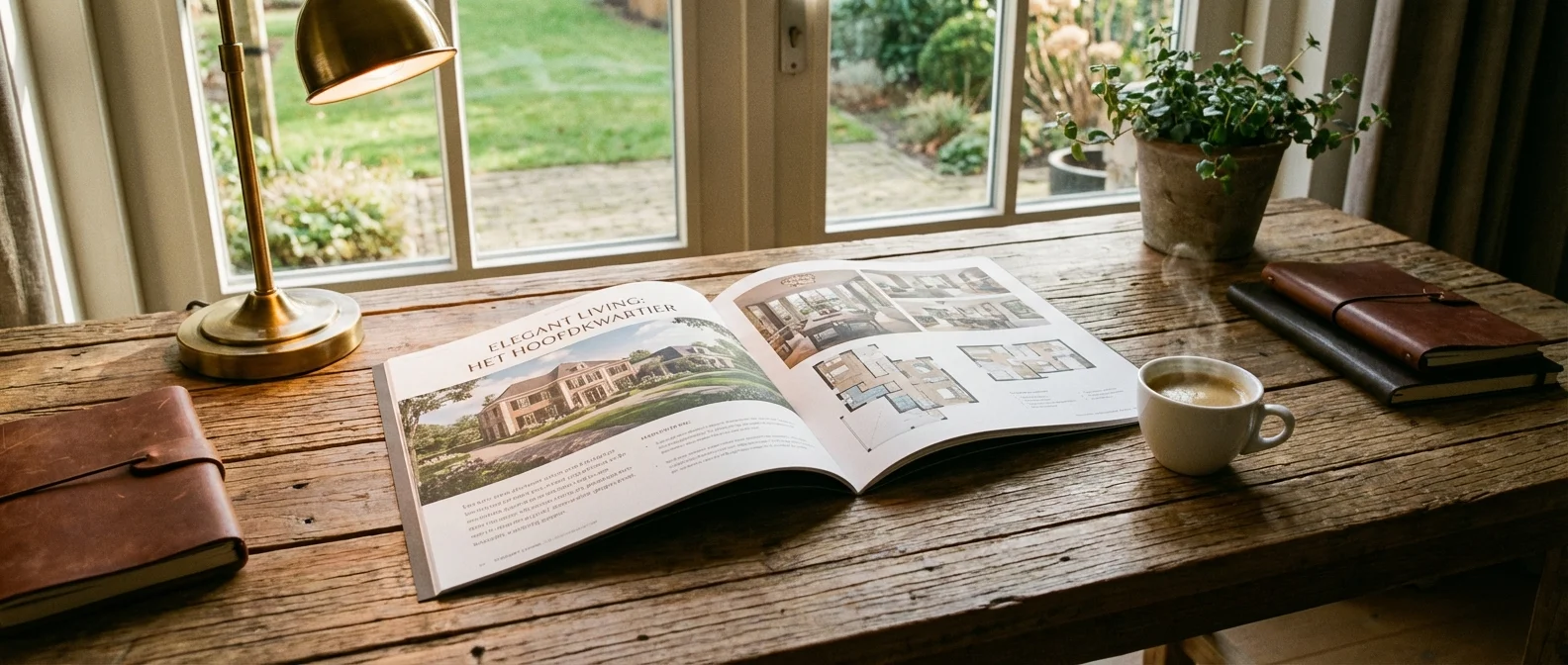
- Prioritize professional photography to capture immediate attention.
- Use concise, benefit-driven copy to engage potential buyers.
- Include essential contact details and scannable QR codes.
Follow our comprehensive guide to create marketing materials that leave a lasting impression on every prospect.
Essential Design Elements to Create a Real Estate Brochure
The real estate market is fiercely competitive, where first impressions are often the only impressions that count. When you Create a Real Estate Brochure, you’re not just placing photos on a page—you’re shaping a story of lifestyle, comfort, and investment value. A well-crafted brochure becomes a silent salesperson, continuing to highlight a property’s strongest features long after the open house ends.
To stand out, you need to understand the design fundamentals that turn a simple handout into a high-converting marketing asset. Visual storytelling sits at the center of this process. In a world packed with digital noise, a premium print piece—or a polished digital PDF—creates a more focused experience. Buyers can feel the quality of the paper or appreciate the crisp clarity on-screen as they explore floor plans, key features, and high-resolution imagery. The goal is emotional: help the reader picture their life inside the property.
Before you get into formats and layout details, define your audience. Are you speaking to first-time buyers, luxury investors, or commercial developers? That answer shapes everything. A luxury presentation typically leans on minimalist design, strong typography, and generous white space, while a family-focused listing may emphasize community, schools, and local amenities. Different niches, different priorities—yet the core principle remains the same: Create a Real Estate Brochure that feels intentional, professional, and built to sell.
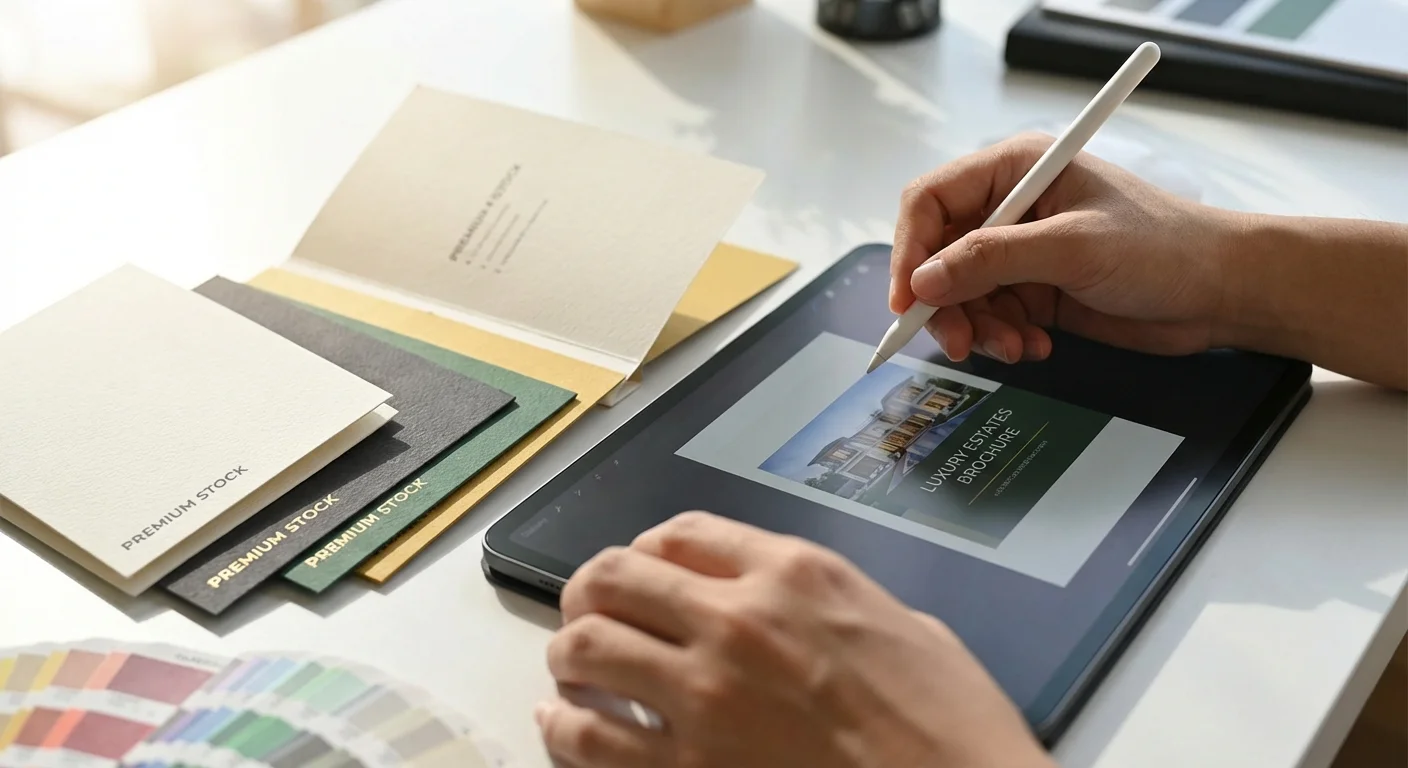
One of the most overlooked elements in real estate marketing is consistent brand identity. Your brochure should feel like a direct extension of your professional persona—using the same fonts, colors, and logo standards that appear across your listings, website, and signage. When you Create a Real Estate Brochure, you’re not only presenting a property, you’re reinforcing authority and trust. If the design feels cluttered or inconsistent, it reflects poorly on both the home and the agent behind it. Let clarity and sophistication lead every decision.
Typography shapes how information is understood. Pairing a bold, elegant serif for headings with a clean sans-serif for body copy often creates a modern, balanced look—without sacrificing readability. And readability is non-negotiable. If buyers need to squint to find square footage or amenities, attention is already lost. A clear text hierarchy ensures the essentials—price, location, and contact details—are the first things the eye lands on.
High-quality photography is the engine that drives interest. You can’t afford low-resolution or poorly lit images when you create a Real Estate Brochure. Professional architectural photography captures a property’s atmosphere—using light, angles, and composition to emphasize space and detail. These visuals should carry the layout, often as full-page spreads or a powerful hero image on the cover to set a premium tone instantly.
To keep your workflow efficient during design, it helps to borrow proven creative processes—especially from digital product design. Applying UI/UX principles to print (structure, flow, scanning patterns, and visual cues) can make the brochure feel more intuitive, guiding the reader through features in a logical, effortless sequence.
White space—also called negative space—is another essential tool. It allows content to breathe, reduces cognitive load, and prevents the viewer from feeling overwhelmed. In real estate marketing, white space often signals luxury. It suggests the property is strong enough to stand on its own, without needing visual noise. When you Create Real Estate Brochures, what you leave out can be just as powerful as what you include.
Color psychology is the final lever that quietly shapes perception. Blues tend to communicate trust and stability, greens suggest calm and growth, and gold or deep black accents often signal exclusivity in luxury listings. Choosing the right palette is a core step when you Create a Real Estate Brochure, because color sets the emotional tone before a single word is read. Coastal properties often benefit from sandy neutrals and ocean blues, while urban lofts may lean into industrial grays and sharp blacks to match a modern lifestyle.
Most importantly, cohesion matters. Every color choice, spacing decision, and typographic style needs to stay consistent across all pages so the brochure reads like one continuous story. That polished continuity builds trust, signals attention to detail, and—quietly but reliably—turns a casual reader into a serious lead.
- High-Resolution Imagery: Always use photos with at least 300 DPI for print to avoid pixelation.
- Consistent Branding: Ensure your logo and brand colors are prominent but not distracting.
- Clear Call to Action: Make it easy for readers to know how to schedule a viewing or contact the agent.
- Quality Paper Stock: For physical brochures, the weight and finish (matte vs. glossy) of the paper matter immensely.
- Logical Flow: Arrange the property details from the most impressive (the exterior/living room) to the functional (floor plans/specs).
The layout should follow a natural, story-driven progression. Start with a captivating cover featuring the property’s strongest hero image. When the reader opens the brochure, greet them with a short but compelling introduction that sets the mood and positions the home. Next, present structured sections covering the interior, exterior, and the most important unique selling points. Close with a back cover that makes the next step effortless clear contact details, a strong call to action, and ideally a QR code linking to a virtual tour or dedicated landing page.
This approach keeps the narrative focused and persuasive. Each page should build on the last, steadily increasing interest and desire. After highlighting a grand entrance, for example, you can move into the architectural details of the main living spaces, then transition into the calm and privacy of the bedrooms. That flow mirrors an in-person walkthrough, allowing buyers to “experience” the home mentally before they ever book a viewing.
For print, premium materials add instant prestige. A heavier, textured paper stock communicates value and durability, subtly reinforcing the quality of the investment. Digitally, interactive elements, clickable links, embedded video, or tap-to-call contact options to create a dynamic experience that static images can’t match.
No matter the format, the objective stays the same: deliver a complete, alluring overview that drives the reader toward the next step in the sales process. When you combine strategic layout planning with premium visuals, you create a standout marketing asset in a crowded market and you reinforce your reputation as a polished, professional real estate expert. Every detail matters, from font choice to CTA placement. Done right, a real estate brochure becomes more than marketing it becomes a tangible preview of a dream home, and a core tool in any successful agent’s kit.
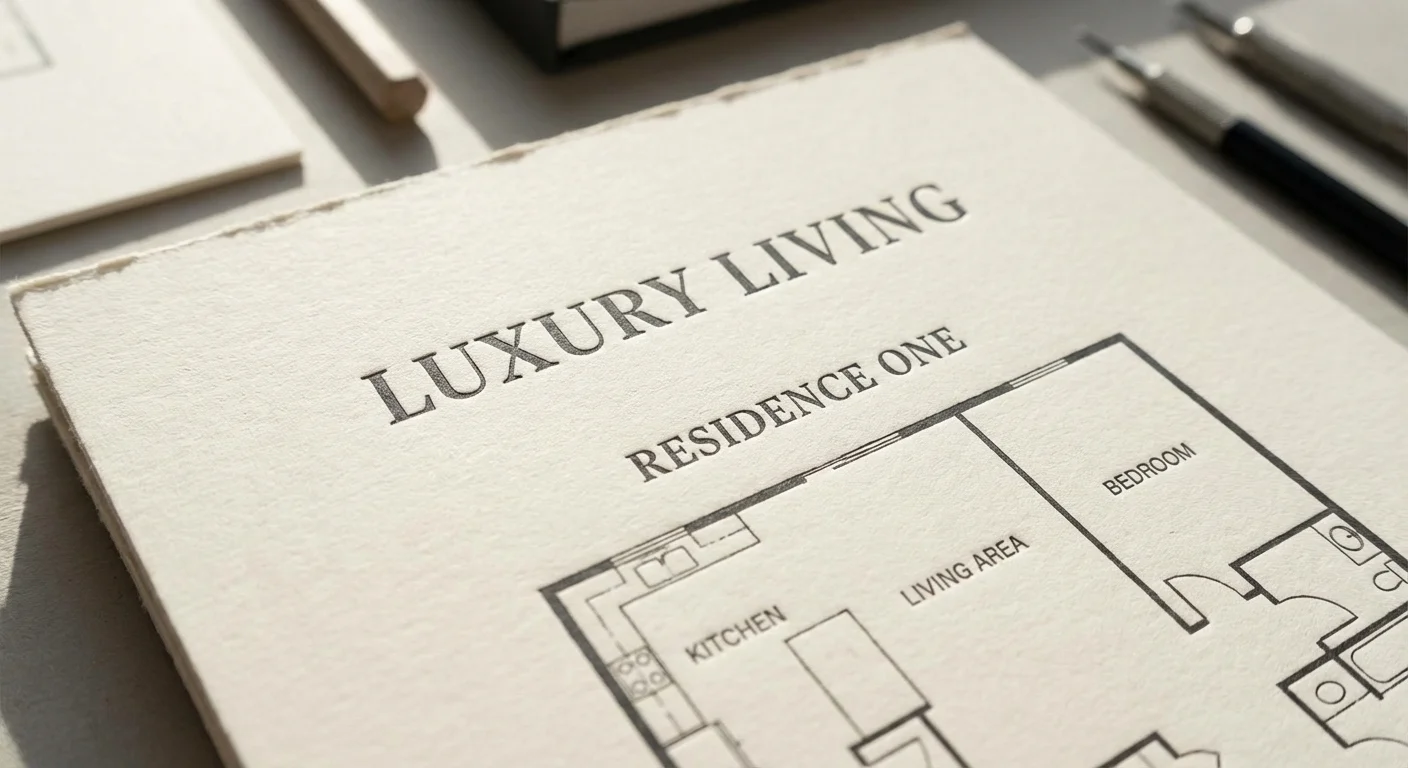
Information density is a delicate balancing act. You want to include key facts such as bedrooms, bathrooms, living area, and plot size without turning the brochure into a technical manual. A smart solution is to use icons for common features like parking, a swimming pool, air conditioning, or sea views. This saves space, adds a modern visual layer, and makes the brochure instantly scannable so busy buyers and investors can grasp the essentials in seconds.
In the digital age, many agents Create a Real Estate Brochure primarily as a PDF or interactive flipbook. That format opens the door to richer elements like video walkthroughs, clickable contact buttons, and live links to Google Maps. Still, the fundamentals don’t change. Premium visuals, clear hierarchy, and a strong focus on the property’s unique story. Whether printed or digital, the brochure reflects the home’s value and your professionalism as a real estate expert.
Beyond specifications, the brochure must sell the lifestyle. It should not only show what the property is, but what it feels like to live there. If the home has a chef-grade kitchen, the copy should highlight the pleasure of hosting dinners or cooking with family. If there’s a large backyard, focus on the experience. Summer evenings outside, space for kids to play, or quiet mornings with coffee. That lifestyle layer is what turns nice features into real desire.
Writing Compelling Property Descriptions for Your Marketing Material
The heart of any successful property listing lies in the narrative you build around a home. When you aim to Create a Real Estate Brochure, the words you choose must do more than list features. they must evoke an emotional response. High-quality descriptions bridge the gap between a simple floor plan and a lifestyle dream. By focusing on unique selling points, you ensure your marketing material stands out in a crowded digital landscape.
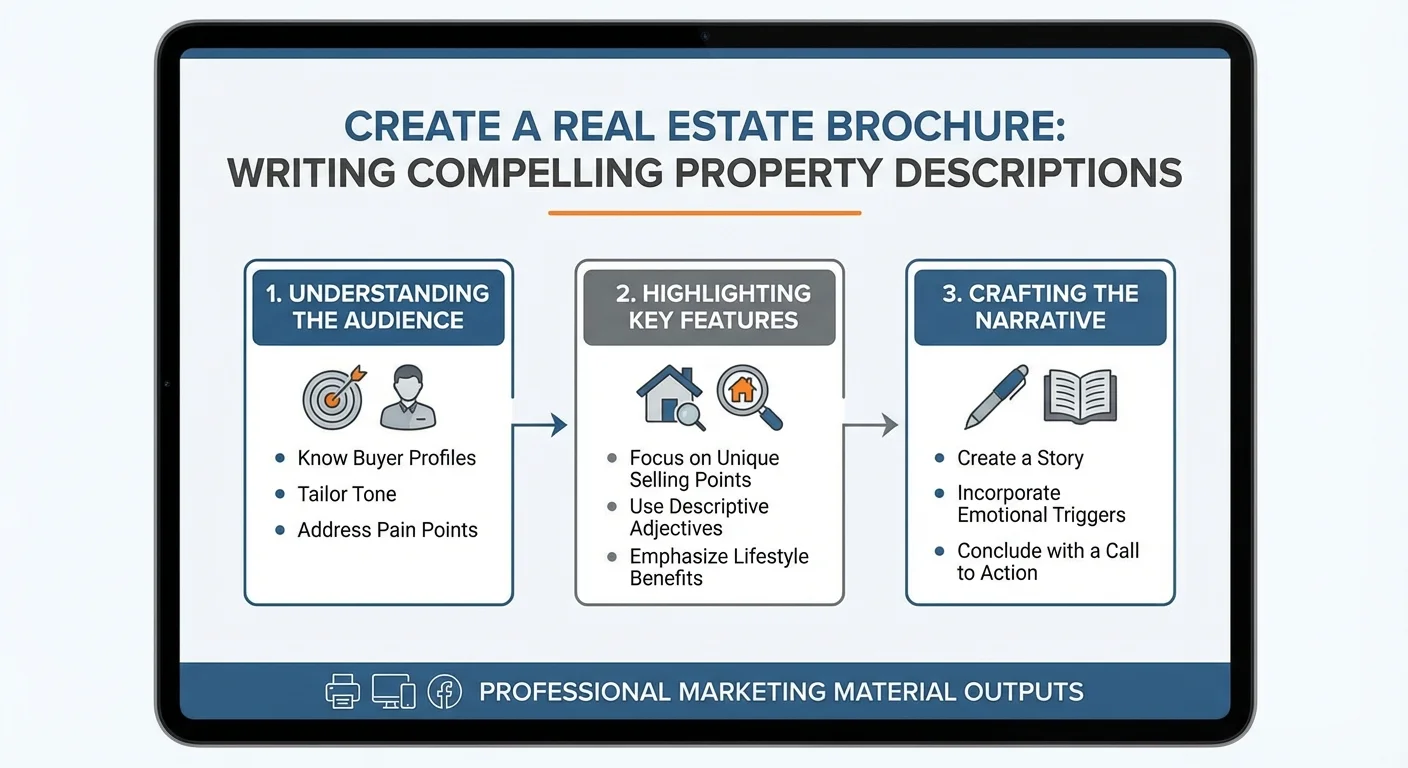
To effectively Create a Real Estate Brochure, you should follow a structured approach to your copywriting. Start with a hook that captures the essence of the property, followed by a detailed walkthrough of the interior highlights. Remember that clarity is just as important as creativity. Using effective ways to Create a Real Estate Brochure for luxury listings will help you target the right demographic while maintaining a professional tone throughout your document.
- Focus on benefits rather than just features (e.g., “sun-drenched patio” instead of “south-facing”).
- Use sensory language to describe the atmosphere and materials.
- Highlight the neighborhood’s proximity to essential amenities and schools.
- Include a clear call to action to drive inquiries.
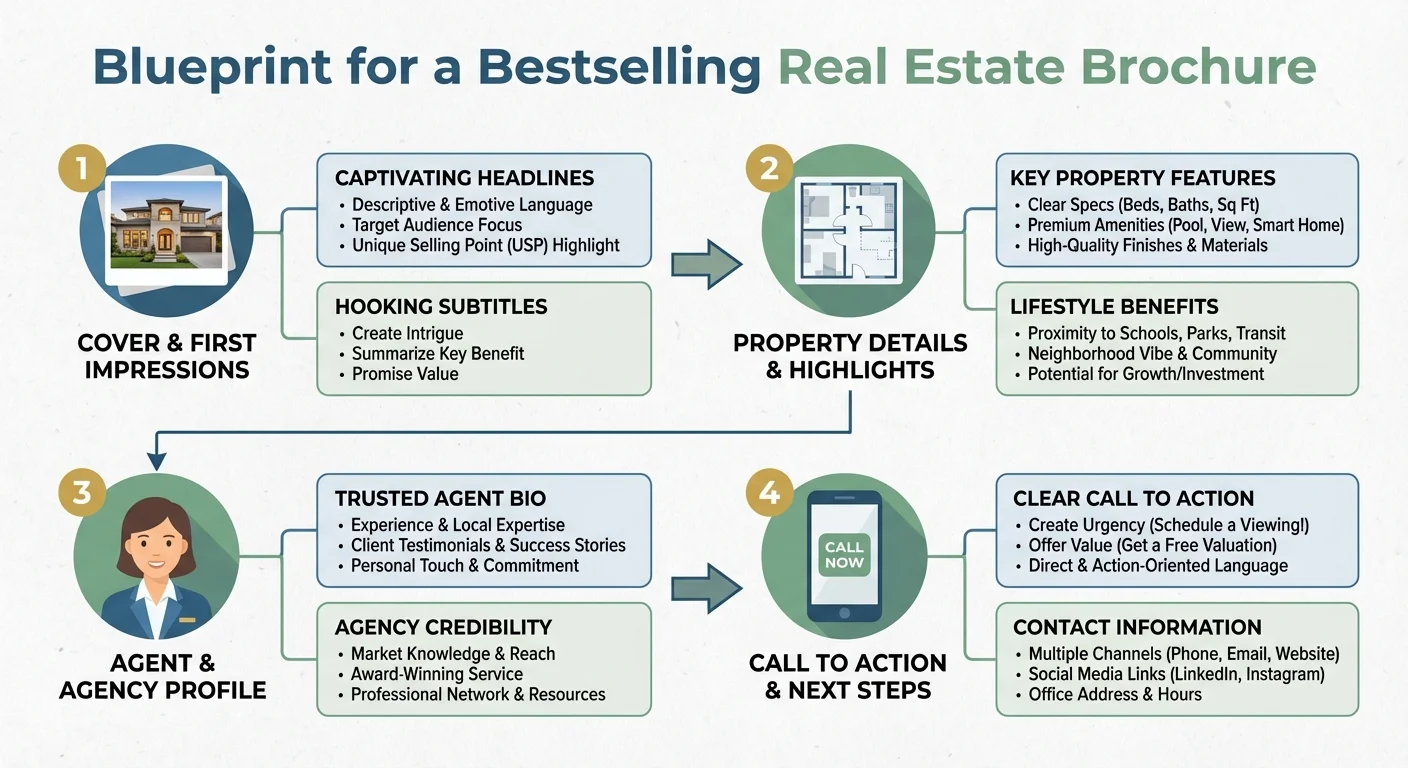
As you Create a Real Estate Brochure, consider how the text interacts with your visual elements. A wall of text can be intimidating, so break it up with bullet points and short paragraphs. This improves readability and ensures that busy buyers can scan for the most important information quickly. If you are looking to optimize your overall output, you might find inspiration in this definitive guide to make a daily more productive working flow.
“A great property description doesn’t just sell a house. it sells a future.”
Finally, when you Create a Real Estate Brochure, always proofread for consistency. Ensure that the technical specifications match the descriptive prose. By taking the time to Create a Real Estate Brochure with precision, you build trust with potential clients and establish yourself as a detail-oriented professional in the industry.
Distribution Strategies to Maximize Your Brochure’s Impact
Once you have mastered the design phase, the next critical step is ensuring your marketing materials reach the right hands. To Create a Real Estate Brochure that actually converts, you must look beyond simple printing. A multi-channel distribution approach ensures that your property listings gain the visibility they deserve in a competitive market.

Physical distribution remains a cornerstone of property marketing. High-traffic areas such as local cafes, community centers, and financial institutions are prime locations. When you Create a Real Estate Brochure, consider placing them in premium acrylic stands at open house events. This tactile experience allows potential buyers to take a piece of the property home with them, keeping your brand top-of-mind during their decision-making process.
Digital Integration and Social Sharing
In today’s digital-first landscape, your physical assets must work in tandem with your online presence. You can Create a Real Estate Brochure that features QR codes, linking directly to virtual tours or lead capture forms. This bridge between offline and online marketing is essential for tracking engagement metrics and ROI.
- Email your digital PDF version to a curated list of warm leads.
- Share high-resolution snippets on Instagram and LinkedIn to drive traffic.
- Partner with local businesses for cross-promotional display opportunities.
- Utilize direct mail campaigns targeting specific high-value neighborhoods.
“The most successful agents don’t just Create a Real Estate Brochure. they build a comprehensive ecosystem where every flyer serves as a gateway to a deeper brand relationship.”
To further refine your professional output, you might explore the UI/UX checklist for digital layouts. Remember that the goal is to Create a Real Estate Brochure that resonates emotionally with the viewer. By following Create a Real Estate Brochure tips for high-end listings, you ensure a luxury feel. Ultimately, when you Create a Real Estate Brochure with a clear distribution plan, you transform a simple piece of paper into a powerful lead-generation engine.
Mastering real estate marketing requires a strategic approach to both design and copy. When you decide to create an effective real estate brochure, you build a tangible connection between a potential buyer and their future home. By focusing on high-quality visuals, compelling descriptions, and a clean layout, you ensure your listing stands out immediately in a competitive market. Consistent branding and clear contact details are essential for turning leads into closed deals.
This is the ideal moment to elevate your professional marketing strategy and present properties with greater confidence. Apply these proven design principles today to achieve higher engagement. Want to impress clients and speed up the sales cycle? Use our guide to create a powerful real estate brochure that delivers results. Transform your presentations into effective sales tools and start dominating the local property market immediately.
Veelgestelde Vragen
What are the essential elements to include when you create a real estate brochure?
A high-converting brochure must feature professional photography, a compelling property description, and clear contact information. Including a floor plan and a list of unique selling points ensures that potential buyers have all the necessary details to make an informed decision.
How can high-quality visuals improve the effectiveness of your marketing materials?
Visuals are the first thing a client notices, so you should use high-resolution images and a clean layout when you create a real estate brochure. Professional graphics build trust and help potential buyers visualize themselves living in the property, significantly increasing the chances of a sale.
Why is a digital version of your brochure necessary in today’s market?
While physical copies are great for open houses, a digital version allows for easy sharing via email and social media. This expands your reach to a global audience and provides a convenient way for mobile users to access property details instantly.
Service & Contact
Locatie: Marbella, Spain
Werkgebied: Marbella, Málaga, Costa del Sol, Andalusia, Spain, Remote, Worldwide
Diensten: Real Estate Brochure Design, Listing Copywriting (Benefit-Led), Professional Property Photography Direction, Floor Plan & Map Integration, Brand Consistency & Template System, Print-Ready Artwork & Prepress (bleed/CMYK), Digital PDF Brochure (Interactive + Clickable CTA), QR Code + UTM Lead Tracking Setup, Social/Email Crops & Asset Pack, Print Production & Paper/Finish Advice
Openingstijden: Mon-Fri 09:00-18:00
