

A successful Marketing Strategy for luxury real estate focuses on exclusivity, emotional storytelling, and precision targeting to reach high-net-worth individuals. To dominate this elite niche, your Marketing Strategy must prioritize high-quality visual content and personalized digital experiences that reflect the prestige of the properties being sold.
“In the world of high-end property, a robust Marketing Strategy is the bridge between a listing and a lifestyle.”
Implementing a tailored luxury real estate Marketing Strategy ensures your brand remains top-of-mind for affluent buyers. Consistency across all channels is vital for a Marketing Strategy to yield results.
- Focus on high-end cinematic videography.
- Utilize data-driven lead generation.
- Build trust through brand heritage.
Ultimately, your Marketing Strategy determines your market authority.

Defining the High-End Buyer Persona in Luxury Real Estate
In the world of premium property sales, success is never accidental. It begins with a profound understanding of who is actually behind the multi-million dollar offer. Defining the high-end buyer persona is the foundational pillar of any successful Marketing Strategy. Unlike the mass market, where broad demographics might suffice, the luxury sector demands a granular look at the psychological drivers, lifestyle requirements, and financial structures of the global elite. We are no longer just selling a house. we are selling a legacy, a sanctuary, and a status symbol.
To effectively reach these individuals, one must look beyond simple age and income brackets. High-net-worth individuals (HNWIs) are often categorized by how they acquired their wealth and how they intend to use the property. Are they “Old Money” looking for historical significance and discretion, or are they “New Tech Wealth” seeking automation, modern aesthetics, and a comprehensive Marketing Strategy for luxury real estate developers? Each profile requires a different tone of voice and a unique value proposition.

When we talk about a Marketing Strategy in this context, we are referring to the precision-engineered approach of identifying pain points that the average person doesn’t have. For the ultra-wealthy, time is the most valuable commodity. Therefore, your persona profile must include their preferred communication channels—often through intermediaries like family offices or private wealth managers—and their specific aesthetic preferences. A buyer looking for a penthouse in Dubai has vastly different motivations than one seeking a vineyard in Tuscany.
Understanding these nuances allows agencies to craft narratives that resonate on an emotional level. It is about moving from “features” to “feelings.” A five-car garage isn’t just storage. it is a gallery for a curated collection. A high-tech security system isn’t just hardware. it is the ultimate peace of mind for a high-profile family. By integrating these insights into your Marketing Strategy, you ensure that every touchpoint of your campaign feels bespoke and exclusive.
Key Characteristics of the Modern Luxury Buyer
The modern luxury buyer is more informed than ever before. They have access to global data and often conduct extensive research before even contacting an agent. To capture their attention, your Marketing Strategy must demonstrate an alignment with their core values, which increasingly include sustainability, wellness, and architectural innovation. They are not just buying real estate. they are investing in a lifestyle that reflects their personal brand.
- The Global Citizen: Often holds multiple citizenships and seeks properties in “safe haven” cities with stable political climates.
- The Privacy Seeker: Prioritizes seclusion, gated entries, and non-disclosure agreements above all else.
- The Amenity Enthusiast: Looks for “hyper-amenities” such as private spas, cryotherapy chambers, and professional-grade home cinemas.
- The Legacy Builder: Interested in generational wealth and properties that will appreciate in value while serving as a family hub.
Identifying which of these categories your property fits into is essential. If you are marketing a sleek, minimalist villa, your Marketing Strategy should focus on the “Global Citizen” or the “Tech Entrepreneur.” Conversely, a historic manor requires a narrative built around heritage and craftsmanship to attract the “Legacy Builder.” This level of targeting prevents wasted ad spend and ensures that your messaging reaches the right eyes at the right time.
“In luxury real estate, the property is the product, but the persona is the key that unlocks the door to the sale. Without a deep psychological profile, you are simply shouting into the void.”
Furthermore, the digital habits of these personas are unique. While they may use mainstream platforms, their engagement patterns are different. They value exclusivity and “hidden” content. A sophisticated Marketing Strategy might involve private digital viewing rooms or invitation-only webinars rather than public listings. This creates a sense of scarcity and prestige that appeals directly to the ego and the intellect of the high-end buyer.
To refine your approach to high-end digital presence, it is often helpful to look at how other creative industries handle complex workflows. For instance, understanding the highly creative UI/UX workflow from a Silicon Valley perspective can provide insights into how to build digital interfaces that appeal to tech-savvy HNWIs who expect seamless, high-end digital experiences during their property search.
Finally, we must consider the geographical influence on the persona. A buyer in the Asian market may prioritize Feng Shui and proximity to elite international schools, whereas a North American buyer might focus on “indoor-outdoor” living spaces and expansive square footage. Your Marketing Strategy must be flexible enough to adapt to these cultural nuances while maintaining a consistent brand voice. By documenting these traits in a formal buyer persona document, real estate professionals can align their photography, copywriting, and media buying with surgical precision.
In conclusion, defining the high-end buyer persona is not a one-time task but an evolving process. As global wealth shifts and new industries emerge, the desires of the elite change. Staying ahead of these trends is what separates a standard agency from a market leader. It requires constant data analysis, empathy, and a willingness to pivot your Marketing Strategy to meet the buyer exactly where they are—both physically and emotionally.
Essential Elements of a Luxury Real Estate Marketing Strategy
The foundation of any successful high-end property sale lies in a meticulously crafted Marketing Strategy. In the luxury sector, we are not merely selling square footage or a zip code. we are selling an aspirational lifestyle, a legacy, and a unique piece of architectural art. This requires a shift from traditional transactional methods to a more holistic, brand-centric approach that resonates with high-net-worth individuals (HNWIs).
To capture the attention of an elite audience, your Marketing Strategy must prioritize exclusivity and storytelling. Every touchpoint, from the initial digital ad to the private viewing experience, must reflect the premium nature of the asset. This involves a deep understanding of the buyer persona—knowing not just their budget, but their values, hobbies, and aesthetic preferences.
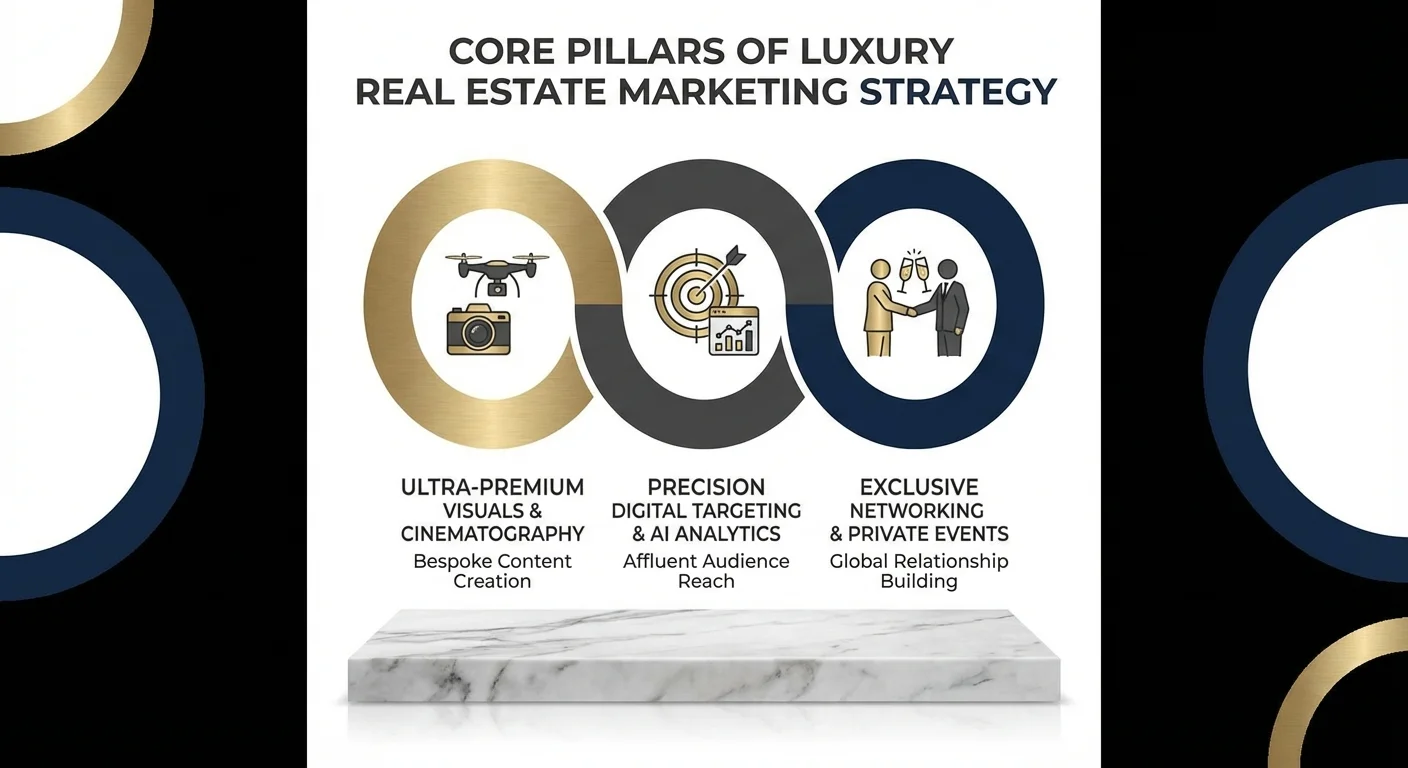
Visual excellence is the non-negotiable cornerstone of this process. In a world where first impressions are formed in milliseconds on a smartphone screen, the quality of your media can make or break a listing. High-definition cinematography, drone footage that captures the surrounding landscape, and professional architectural photography are essential components. These elements work together within your broader Marketing Strategy to create an emotional connection before the prospect even steps foot on the property.
Furthermore, the digital landscape has transformed how luxury homes are discovered. A robust comprehensive Marketing Strategy for high-end residential properties must leverage data-driven insights to reach global investors. This includes sophisticated SEO techniques, targeted social media campaigns on platforms like Instagram and LinkedIn, and placements in digital publications that cater to the wealthy.
When refining your approach, consider these critical pillars:
- Narrative Branding: Developing a unique “soul” for the property that goes beyond technical specifications.
- Omnichannel Presence: Ensuring a seamless brand experience across print, social media, and personal networking.
- Strategic Partnerships: Collaborating with luxury lifestyle brands, such as private jet charters or high-end interior designers, to expand reach.
- Data Analytics: Monitoring engagement metrics to pivot the Marketing Strategy in real-time based on buyer behavior.
- Exclusivity Tactics: Utilizing “off-market” listings or invitation-only viewings to create a sense of urgency and prestige.
The integration of technology is another element that cannot be overlooked. Virtual reality (VR) tours and augmented reality (AR) staging allow international buyers to experience a home from thousands of miles away. By incorporating these tools into your Marketing Strategy, you remove geographical barriers and position the property as a forward-thinking investment. This level of innovation is often what separates a standard listing from a record-breaking sale.
“In luxury real estate, the Marketing Strategy is the bridge between a physical structure and the buyer’s ultimate dream. If that bridge isn’t built with precision and elegance, the connection will never be made.”
Efficiency in your internal processes also plays a role in how effectively you can execute these high-level plans. For professionals looking to optimize their daily operations to leave more room for creative campaign development, exploring a definitive guide to make a daily more productive working flow can provide the necessary structure to manage complex luxury accounts without burnout.
Another vital aspect is the psychological element of scarcity. A well-executed Marketing Strategy understands that luxury buyers are often motivated by the “one-of-a-kind” nature of a purchase. Highlighting the historical significance of a manor or the limited availability of a penthouse floor creates a psychological trigger that encourages swift decision-making among competitive buyers.
Personalization is the final piece of the puzzle. Generic brochures and mass emails have no place in the world of premium real estate. Instead, the Marketing Strategy should focus on bespoke communication. This might involve hand-delivered, high-quality lookbooks or personalized video messages from the lead agent. These small, high-touch details reinforce the value of the property and the professionalism of the brokerage.
As the market evolves, the definition of luxury also shifts. Today’s buyers are increasingly focused on sustainability, wellness, and smart-home integration. Therefore, your Marketing Strategy must be agile enough to highlight these modern luxuries. Whether it is a LEED-certified heating system or a dedicated meditation wing, these features must be front and center in your promotional materials to attract the modern affluent demographic.
Ultimately, a successful Marketing Strategy is not a “set it and forget it” document. It is a living framework that requires constant refinement. By analyzing which channels yield the highest quality leads and which messaging resonates most with the current market sentiment, agents can ensure they are always one step ahead of the competition. This proactive stance is what defines a leader in the luxury real estate space.
In conclusion, the essential elements of a high-end real estate plan involve a blend of artistic storytelling, cutting-edge technology, and elite networking. When these factors are aligned under a cohesive Marketing Strategy, the result is not just a sale, but a landmark transaction that enhances the reputation of both the property and the professional representing it. The focus must always remain on quality over quantity, ensuring that every marketing dollar spent contributes to an aura of unparalleled excellence.
Leveraging High-End Visual Storytelling and Virtual Tours
In the modern digital landscape, the way brands communicate their value proposition has shifted from static text to immersive experiences. High-end visual storytelling is no longer a luxury. it is a fundamental pillar of a successful Marketing Strategy. When potential clients or customers land on your platform, they are looking for more than just information—they are looking for an emotional connection. By integrating cinematic visuals and interactive elements, businesses can bridge the gap between digital browsing and physical reality.
The evolution of consumer behavior suggests that attention spans are shrinking, yet the appetite for high-quality content is at an all-time high. This paradox requires a Marketing Strategy that prioritizes immediate visual impact. High-end photography, professionally edited video sequences, and cohesive brand aesthetics work together to establish authority. When a user sees a polished visual narrative, they subconsciously associate that quality with the product or service being offered.
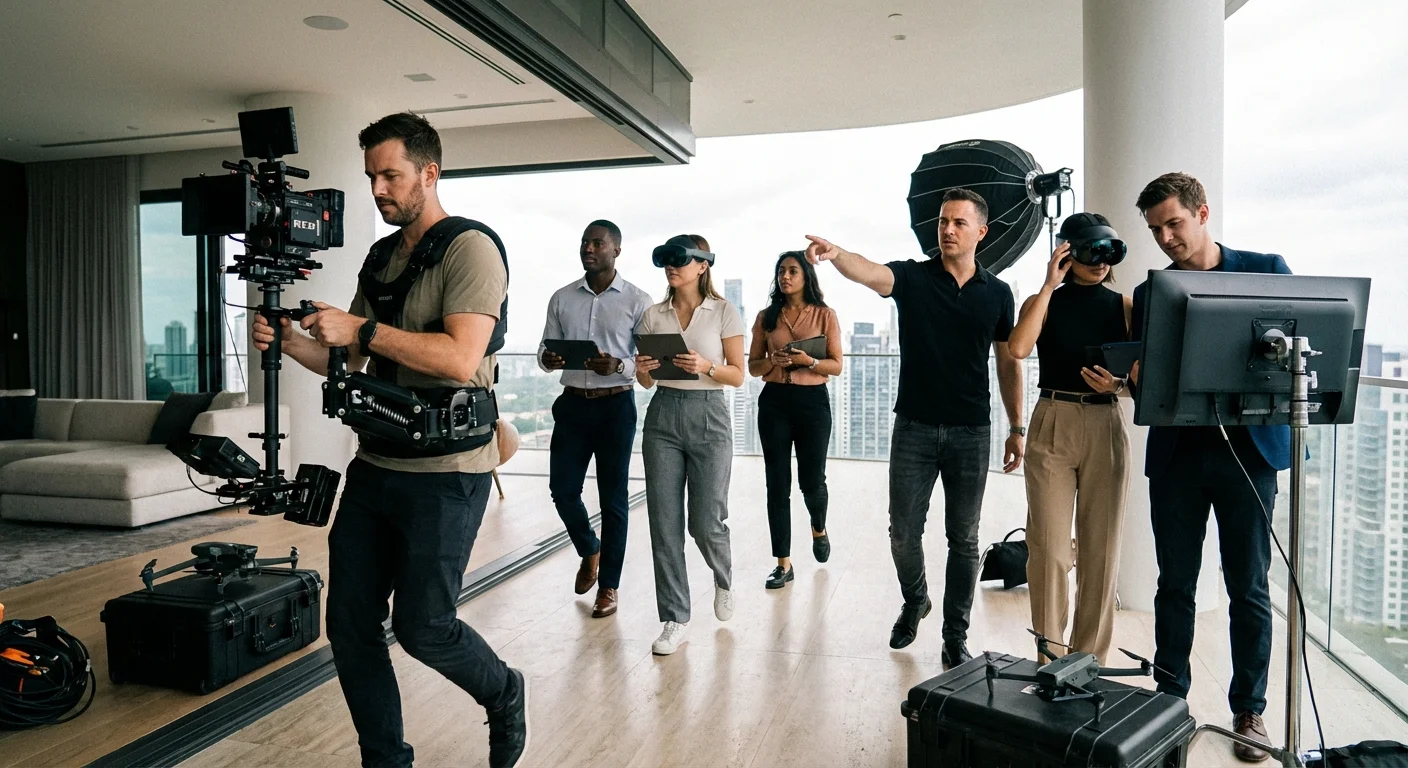
Virtual tours have emerged as a game-changer, particularly in industries like real estate, hospitality, and high-end retail. These tours allow users to explore a space at their own pace, providing a sense of agency that traditional video cannot match. From an SEO and engagement perspective, virtual tours keep users on your page for longer durations, signaling to search engines that your content is valuable and relevant. This is a critical component of a modern comprehensive Marketing Strategy for digital growth.
The Impact of Immersive Media on Conversion Rates
Why does visual storytelling work so effectively? It taps into the human brain’s ability to process images 60,000 times faster than text. When you implement a Marketing Strategy that utilizes 360-degree panoramas and guided virtual walkthroughs, you are reducing the friction in the buyer’s journey. The “see it to believe it” mentality is satisfied instantly, which builds trust before a single word of dialogue is exchanged between the brand and the consumer.
Consider the following benefits of integrating these high-end visuals into your broader plan:
- Increased Dwell Time: Interactive tours encourage users to spend minutes rather than seconds on your site.
- Reduced Bounce Rates: Engaging visual narratives capture interest immediately, preventing users from leaving.
- Higher Social Sharing: Visually stunning content is more likely to be shared across platforms like LinkedIn and Instagram.
- Enhanced Brand Recall: People remember stories and experiences far better than they remember bullet points or pricing tables.
To truly master this approach, one must look at how industry leaders structure their creative processes. For instance, understanding the highly creative UI/UX workflow from a Silicon Valley perspective can provide insights into how visual elements should be placed to maximize user flow and conversion. It is not just about having a pretty picture. it is about where that picture sits within the user’s journey.
“Visual storytelling is the bridge between data and emotion. Without a narrative, your Marketing Strategy is just a collection of numbers. with it, it becomes a movement.”
Furthermore, the technical execution of these visual assets must be flawless. A slow-loading virtual tour or a pixelated video can do more harm than good. This is why a robust Marketing Strategy must also account for technical optimization. High-resolution assets need to be served via fast Content Delivery Networks (CDNs) and optimized for mobile devices. In a world where more than half of web traffic comes from smartphones, your virtual tours must be as responsive as your text content.
Integrating storytelling into your Marketing Strategy also means being consistent. The “look and feel” of your virtual tour should match your social media presence and your physical branding. This creates a seamless omnichannel experience. When a customer moves from a virtual tour on your website to a physical consultation, the transition should feel natural because the visual language has already set the expectation.
Moreover, virtual tours can be enhanced with “hotspots”—interactive buttons within the tour that provide additional information, videos, or direct links to purchase. This turns a passive viewing experience into an active sales funnel. By embedding these calls-to-action within the visual narrative, you are guiding the customer toward a decision without being overly aggressive. This subtlety is the hallmark of a sophisticated Marketing Strategy.
As we look toward the future, technologies like Augmented Reality (AR) and Virtual Reality (VR) will become even more integrated into the standard Marketing Strategy. Brands that start experimenting with high-end visual storytelling now will have a significant competitive advantage. They will have already mastered the art of digital presence and will be ready to pivot as new hardware makes these immersive experiences even more accessible to the general public.
In conclusion, leveraging high-end visual storytelling and virtual tours is about creating a “digital twin” of your brand’s excellence. It allows you to showcase your offerings in the best possible light, 24/7, to a global audience. By making this a core part of your Marketing Strategy, you are investing in a long-term asset that continues to build brand equity and drive conversions long after the initial production is complete. The investment in high-quality production pays for itself through increased engagement and a much stronger market position.
Digital Advertising Tactics for Reaching Ultra-Wealthy Investors
Reaching UHNWIs requires a sophisticated Marketing Strategy that moves beyond broad-spectrum demographics. When targeting individuals with liquid assets exceeding $30 million, standard display ads often fail. Instead, elite firms utilize “walled garden” environments and premium programmatic placements. By focusing on high-intent environments like private banking portals or luxury lifestyle publications, your Marketing Strategy ensures that every impression serves a purpose.
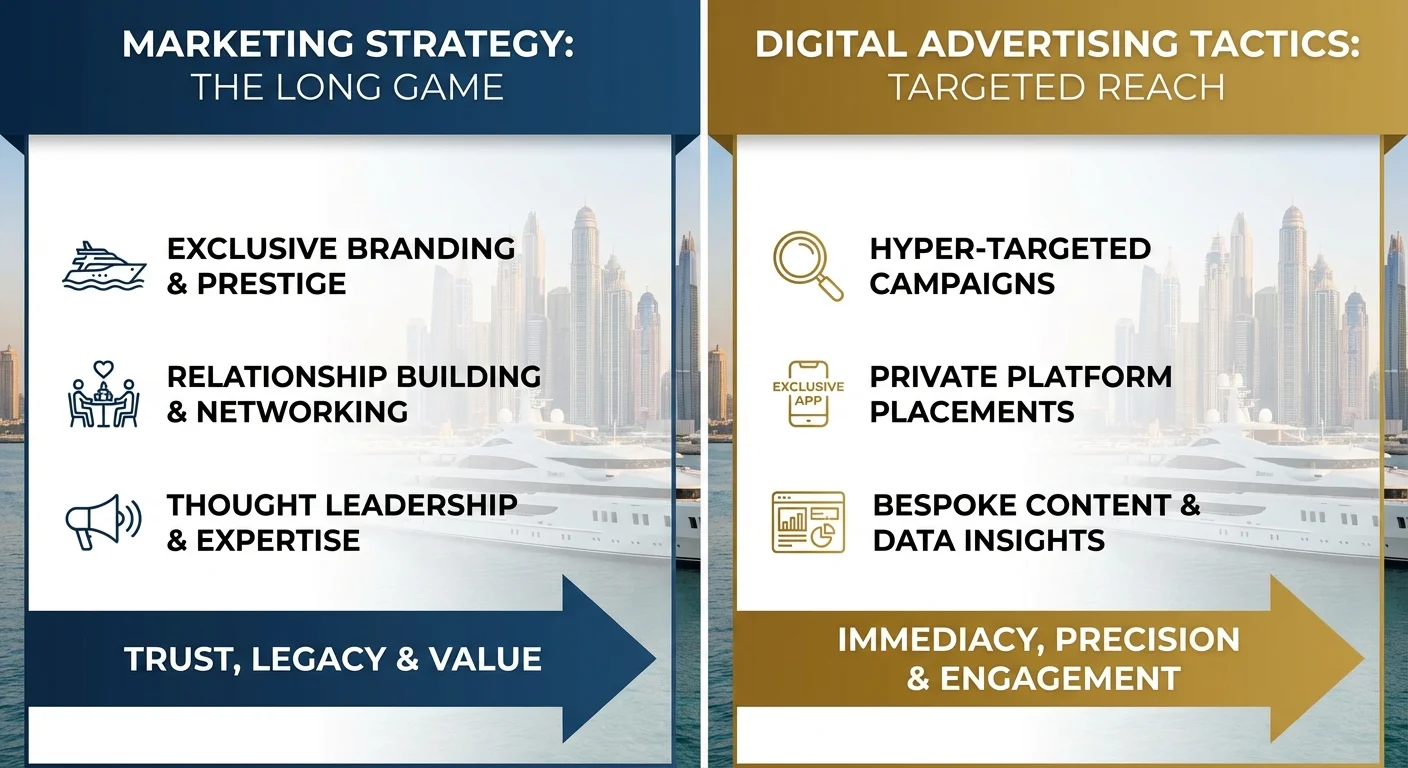
Precision is the cornerstone of any successful Marketing Strategy for high-net-worth lead generation. To capture the attention of ultra-wealthy investors, advertisers must leverage hyper-niche data layers. This includes targeting based on aircraft ownership, yacht registrations, or executive positions within Fortune 500 companies. A robust Marketing Strategy integrates these data points to create a seamless digital experience across devices.
Advanced Targeting Techniques
- Geofencing Private Hubs: Deploying ads specifically around private jet terminals, elite golf clubs, and international wealth summits.
- Account-Based Marketing (ABM): Crafting personalized ad creative for specific family offices or investment committees.
- Contextual Retargeting: Serving ads only when users are consuming content related to estate planning, offshore trusts, or alternative assets.
The creative execution within your Marketing Strategy must reflect the exclusivity of the offer. High-net-worth individuals value discretion and intellectual depth over flashy sales pitches. Utilizing a definitive guide to make a daily more productive working flow can help your internal team manage the complex creative assets required for these campaigns.
“In the world of ultra-wealthy investing, your digital presence is your digital handshake. If the Marketing Strategy lacks refinement, the trust is lost before the first click.”
Finally, privacy is paramount. A modern Marketing Strategy for this segment must be compliant with global data regulations while maintaining a sense of one-to-one intimacy. By balancing algorithmic power with human-centric design, brands can penetrate the inner circles of the world’s most affluent investors, ensuring long-term portfolio growth and brand loyalty.
Measuring Success and ROI for Your Property Marketing Campaigns
To truly understand the impact of your efforts, you must treat data as the cornerstone of your Marketing Strategy. Without consistent measurement, you are essentially navigating without a map. Evaluating the Return on Investment (ROI) allows real estate professionals to identify which channels yield the highest quality leads and which ones are simply draining the budget. By analyzing key performance indicators, you can refine your approach and ensure long-term growth.
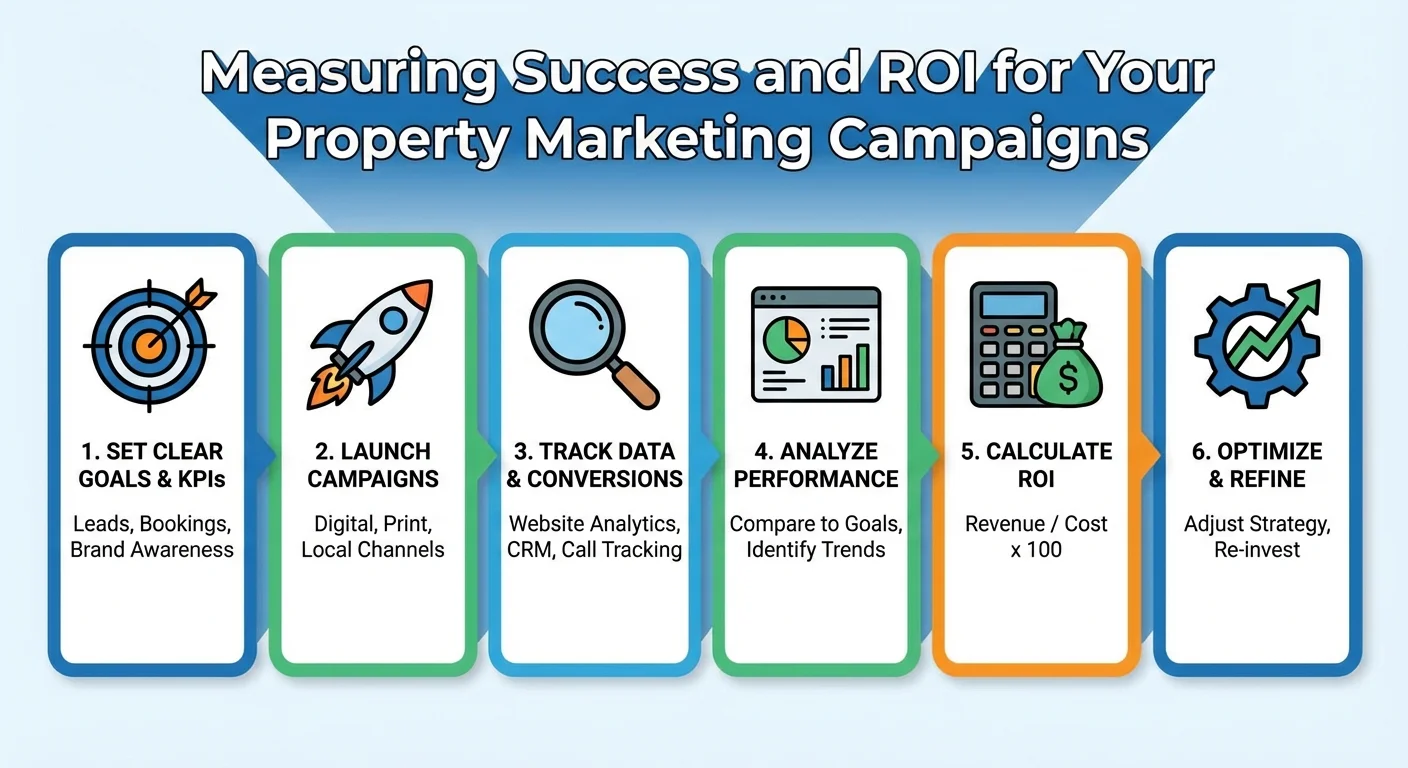
Effective tracking begins with setting clear benchmarks. Whether you are focusing on digital ads or organic outreach, your Marketing Strategy should include specific goals for conversion rates and cost-per-acquisition. High-performing campaigns often rely on a comprehensive Marketing Strategy for real estate lead generation to maintain a competitive edge in a crowded market. By monitoring these metrics weekly, you can pivot quickly if a particular platform underperforms.
Consider the following essential metrics when auditing your results:
- Conversion Rate: The percentage of visitors who take a desired action, such as filling out a contact form.
- Cost Per Lead (CPL): Total spend divided by the number of leads generated through your Marketing Strategy.
- Engagement Rate: How often users interact with your property listings and social media content.
- Customer Acquisition Cost (CAC): The total investment required to sign a new client or close a sale.
“Data-driven decisions are the only way to scale a modern real estate business effectively. If you cannot measure it, you cannot improve your Marketing Strategy.”
Furthermore, integrating your analytics with a robust definitive guide to make a daily more productive working flow can streamline how you process lead data. A successful Marketing Strategy is never static. it evolves based on the feedback loop created by ROI analysis. By closing the gap between marketing spend and revenue, you ensure that every dollar contributes to your bottom line and strengthens your brand presence.
Navigating the high-end property market requires a sophisticated Marketing Strategy that prioritizes exclusivity, storytelling, and precision targeting. Success in this niche depends on building deep emotional connections through high-quality visual content and personalized digital experiences. By integrating data-driven insights with traditional networking, agencies can effectively reach ultra-high-net-worth individuals who demand discretion and excellence. Consistency across all premium channels remains the cornerstone of long-term brand authority and trust.
Ultimately, a robust Marketing Strategy must evolve alongside shifting global trends and buyer expectations. Implementing these specialized techniques will ensure your listings stand out in a competitive landscape while maximizing your return on investment. Are you ready to elevate your luxury brand and dominate the prestige real estate market? Contact our expert consultancy team today to develop a bespoke plan that drives measurable results and secures your position as an industry leader.
Veelgestelde Vragen
What are the core components of a successful Marketing Strategy for luxury real estate?
A successful Marketing Strategy in the high-end sector focuses on exclusivity, high-quality visual storytelling, and targeted networking. It requires a deep understanding of the affluent demographic to position properties as unique lifestyle investments rather than just buildings.
How can digital storytelling enhance your overall Marketing Strategy?
Digital storytelling uses cinematic video and immersive virtual tours to create an emotional connection with potential buyers. Integrating these elements into your Marketing Strategy ensures that the property’s unique heritage and prestige are communicated effectively across global digital platforms.
Why is brand positioning critical when selling luxury properties?
Brand positioning establishes the perceived value and trust necessary to attract ultra-high-net-worth individuals. Without a clear identity, even the most expensive listings will fail to stand out in a competitive global market.
Service & Contact
Locatie: Marbella, Spain
Werkgebied: Marbella, Málaga, Costa del Sol, Andalusia, Spain, Remote, Worldwide
Diensten: Luxury Real Estate Branding & Positioning, High-End Listing Copywriting, Professional Luxury Property Photography, Drone/Aerial Photography, Cinematic Video & Reels Production, Twilight Photography, Matterport 3D Tours & Virtual Staging, Premium Brochure & Lookbook Design (Print + PDF), Website/Landing Page for Luxury Listings, Paid Ads Strategy (Meta/Google) + Retargeting, PR & Media Placement for High-End Properties, Lead Tracking (UTM/QR/Call Tracking) + CRM Integration
Openingstijden: Mon-Fri 09:00-18:00
