


The importance of professional photography in real estate is crucial, as high-quality images directly increase enquiries and speed up the selling process. In today’s saturated digital market, investing in professional visuals ensures your listing stands out immediately. First impressions happen in milliseconds; that’s why visual quality is essential to communicate value and space effectively.
Without this expertise, even luxury homes risk being overlooked by discerning investors. Strategic photography acts as a silent salesperson, building trust and an emotional connection long before an in-person viewing takes place.
The key benefits include:
- Higher online engagement and click-through rates thanks to high-quality visuals.
- Homes sell significantly faster with professional presentations.
- Visual storytelling supports a higher asking price for sellers.
The Impact of Professional Photography in Real Estate Listings
In the modern digital landscape, the first point of contact between a potential homebuyer and a property is almost exclusively through a screen. The visual presentation of a home dictates the initial emotional response. This is where the significance of Professional Photography in Real Estate becomes undeniable. High-quality imagery does more than just show a room; it tells a story of a lifestyle, creating an aspirational connection that can lead to a faster sale and a higher closing price.
The real estate market has evolved into a visual-first industry. Statistics consistently show that listings with high-quality photos receive significantly more clicks than those with amateur snapshots. When a seller invests in Professional Photography in Real Estate, they are essentially investing in a powerful marketing tool that differentiates their property. A crisp, well-composed image captures the light, the space, and the unique character of a home in a way that a standard smartphone camera simply cannot replicate.
Beyond aesthetics, there is a psychological component to how buyers perceive value. A listing that features Professional Photography in Real Estate signals to the market that the property is well-maintained and that the seller is serious. This perceived value often translates into more inquiries and competitive offers. In a crowded market, your visual assets are your strongest leverage to ensure your listing doesn’t get lost in the noise.
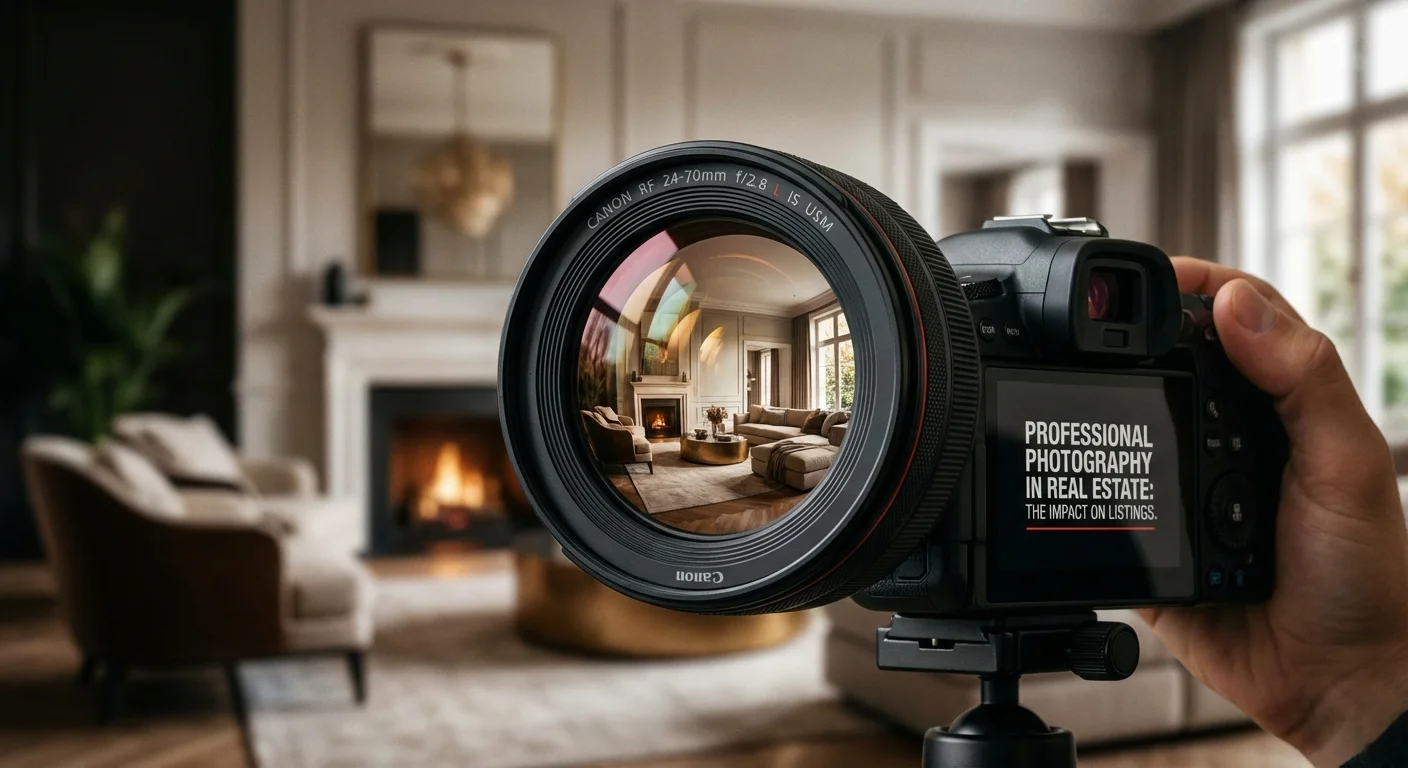
When examining technical aspects, the difference is night and day. Professional photographers understand the nuances of wide-angle lenses, HDR processing, and the golden hour of lighting. These skills ensure that small rooms look spacious and dark corners appear inviting. By utilizing high-end Professional Photography in Real Estate techniques for luxury listings, agents can highlight architectural details that might otherwise go unnoticed by the untrained eye.
To understand the full scope of this impact, consider the following benefits that professional visuals bring to a real estate marketing strategy:
- Increased Online Engagement: Listings with professional photos get up to 61% more views.
- Higher Sales Price: Homes with high-quality imagery often sell for thousands of dollars more.
- Faster Turnaround: Professional Photography in Real Estate helps homes sell up to 32% faster.
- Brand Authority: Consistent use of professional photos builds a reputation for excellence.
- Social Media Shareability: Beautiful photos are more likely to be shared on platforms like Instagram.
It is also important to recognize that the impact extends to the digital workflow. Much like how a definitive guide to make a daily more productive working flow can streamline business operations, having a dedicated photography partner allows agents to focus on negotiations and client relationships. Efficiency in marketing is just as crucial as efficiency in administration.
“The quality of the photography is the single most important factor in determining whether a buyer will schedule a viewing. You are not just selling a house; you are selling a dream, and that dream starts with the first photo they see.”
Furthermore, Professional Photography in Real Estate serves as the foundation for all other marketing materials. These images are repurposed for brochures, social media ads, and virtual tours. If the source material is of poor quality, every subsequent marketing effort will suffer. By ensuring the primary assets are top-tier, the entire campaign maintains a level of sophistication that attracts high-intent buyers.
In many ways, the role of a real estate photographer mirrors that of a UI/UX designer. Both are tasked with creating an intuitive and attractive experience. Just as a designer focuses on the user journey, a photographer focuses on the “visual journey” of a potential buyer through a home. This synergy between design principles and real estate marketing is what makes Professional Photography in Real Estate such a vital component of a successful sale.
As we delve deeper into property presentation, it becomes clear that the investment in professional services pays for itself many times over. The digital storefront of a listing is its only chance to make a first impression. If that impression is marred by blurry or poorly framed photos, the opportunity is lost. However, with the right approach to Professional Photography in Real Estate, a listing can transcend the screen and become a tangible reality for a buyer.
In conclusion, the impact of professional imagery is measurable, psychological, and strategic. It bridges the gap between a simple “for sale” sign and a premium real estate experience. As the industry continues to move toward more immersive technologies, the core value of a stunning, high-resolution photograph remains the cornerstone of effective property marketing. Prioritizing Professional Photography in Real Estate is the most effective way to ensure your property stands out and achieves its maximum potential.
How High-Quality Images Increase Property Value and Interest
In the modern digital landscape, the first point of contact between a potential buyer and a property is almost exclusively online. This initial interaction is fleeting, often lasting only a few seconds. This is where the power of Professional Photography in Real Estate becomes the ultimate differentiator. High-quality imagery does more than just show a room; it tells a story of lifestyle, comfort, and aspiration. When a listing features crisp, well-lit, and expertly composed photos, it signals that the property is well-maintained and valuable.
Psychologically, humans are wired to process visual information significantly faster than text. A compelling hero image can trigger an emotional response that a written description cannot match. By investing in Professional Photography in Real Estate, sellers can ensure that their property stands out, effectively capturing the attention of serious buyers who might otherwise overlook a listing with amateur photos. This increased visibility is the first step toward driving higher engagement rates and more physical viewings.
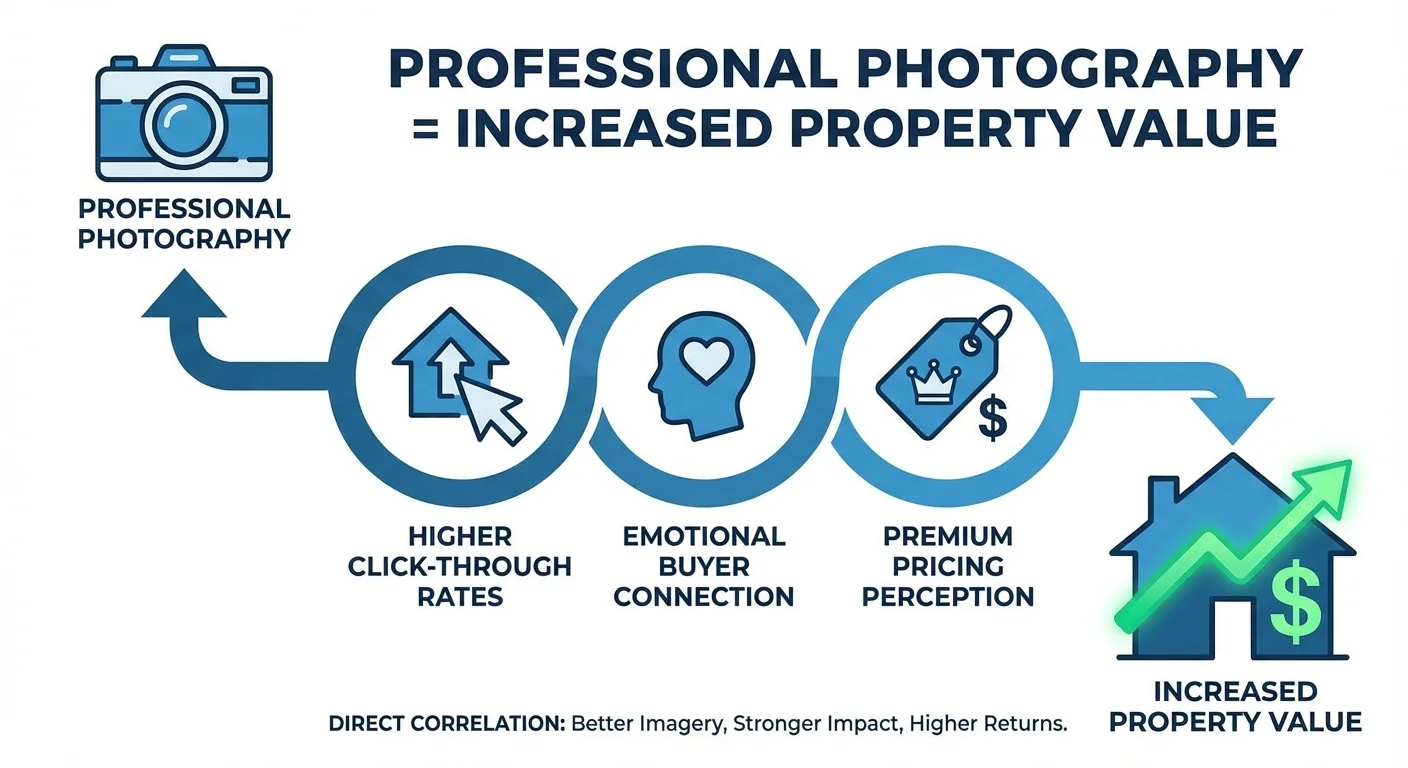
The financial impact of high-end visuals is measurable. Statistics consistently show that homes marketed with Professional Photography in Real Estate sell for higher prices compared to those with low-quality images. This is because professional photos create a “premium” perception. When a property looks like it belongs in a design magazine, buyers are more likely to perceive it as a high-value asset, reducing the likelihood of aggressive low-ball offers. The photography acts as a silent negotiator, setting a high baseline for the property’s worth.
Beyond the final sale price, the speed of the transaction is also influenced by visual quality. Properties that utilize Professional Photography in Real Estate tend to stay on the market for fewer days. A quick sale is often a more profitable sale, as it reduces carrying costs and prevents the listing from becoming “stale.” When a home lingers on the market, buyers often wonder what is wrong with it; high-quality images prevent this by generating immediate momentum and multiple inquiries within the first 48 hours.
The Core Benefits of Visual Excellence
To understand why certain listings outperform others, we must look at the specific advantages that professional visuals provide. It is not just about having a “pretty picture,” but about strategic marketing. Here are the primary ways high-quality images boost interest:
- Enhanced Click-Through Rates (CTR): Professional thumbnails attract significantly more clicks on search result pages.
- Emotional Connection: Wide-angle lenses and natural lighting help buyers visualize themselves living in the space.
- Trust and Credibility: High-quality media suggests a professional seller or agent, building trust.
- Social Media Shareability: Beautiful photos are more likely to be shared on platforms like Instagram and Pinterest.
- Accurate Representation: Professional gear captures the true dimensions and light of a room.
Implementing a strategic Professional Photography in Real Estate approach for luxury listings ensures that every corner of the home is showcased to its full potential. For instance, using HDR techniques allows a photographer to capture the detail in a dark living room while simultaneously showing the beautiful garden view through a bright window. This level of technical proficiency is what separates a standard snapshot from a marketing masterpiece. Without these techniques, images often look flat, dark, or distorted, which can actively drive potential buyers away.
“The investment in professional imagery is not a cost; it is a capital improvement for your digital storefront. In a world where the screen is the front door, your photos are the curb appeal.”
Furthermore, the integration of Professional Photography in Real Estate allows for better synergy with other marketing tools. High-resolution photos are essential for creating high-quality brochures, floor plans, and virtual tours. If you are looking to optimize your overall digital presence, you might find inspiration in our definitive guide to make a daily more productive working flow, which highlights how structured processes lead to better creative outputs. A structured approach to real estate marketing always begins with the visual assets.
Finally, we must consider the “halo effect.” When an agent consistently uses Professional Photography in Real Estate, it enhances their personal brand as well as the property’s value. Prospective sellers are more likely to list their homes with an agent who demonstrates a commitment to high-quality marketing. This creates a cycle of success where high-quality images attract better listings, which in turn attract more qualified buyers. In the competitive world of property sales, the clarity and vibrance of your images are often the deciding factors in whether a lead converts into a closed deal.
In conclusion, the role of Professional Photography in Real Estate cannot be overstated. It is the foundation of a successful sales strategy, providing the visual proof of value that modern consumers demand. By prioritizing high-quality images, sellers can command higher prices, sell faster, and create a lasting impression that resonates with the market’s most discerning buyers. As digital platforms continue to evolve, the importance of professional visual storytelling will only continue to grow, making it an essential tool for anyone serious about real estate success.
First Impressions: Capturing Potential Buyers in Seconds
The digital age has fundamentally transformed how property hunting begins. Today, the journey starts on a smartphone screen, often late at night or during a quick lunch break. In this hyper-competitive digital marketplace, the visual appeal of a listing is the primary gatekeeper of interest. This is where Professional Photography in Real Estate becomes the most critical asset in a realtor’s marketing toolkit. You have less than two seconds to grab a user’s attention before they swipe to the next listing, making that first hero image the ultimate deal-breaker.
When a potential buyer scrolls through a portal, their brain processes images 60,000 times faster than text. If the lighting is dull, the angles are awkward, or the rooms look cramped, the buyer subconsciously associates those negative visual traits with the property itself. High-quality imagery does more than just show a room; it tells a story of a lifestyle. By utilizing Professional Photography in Real Estate, agents can ensure that the home’s best features—whether it is a sun-drenched breakfast nook or a sleek, modern kitchen—are highlighted with precision and clarity.
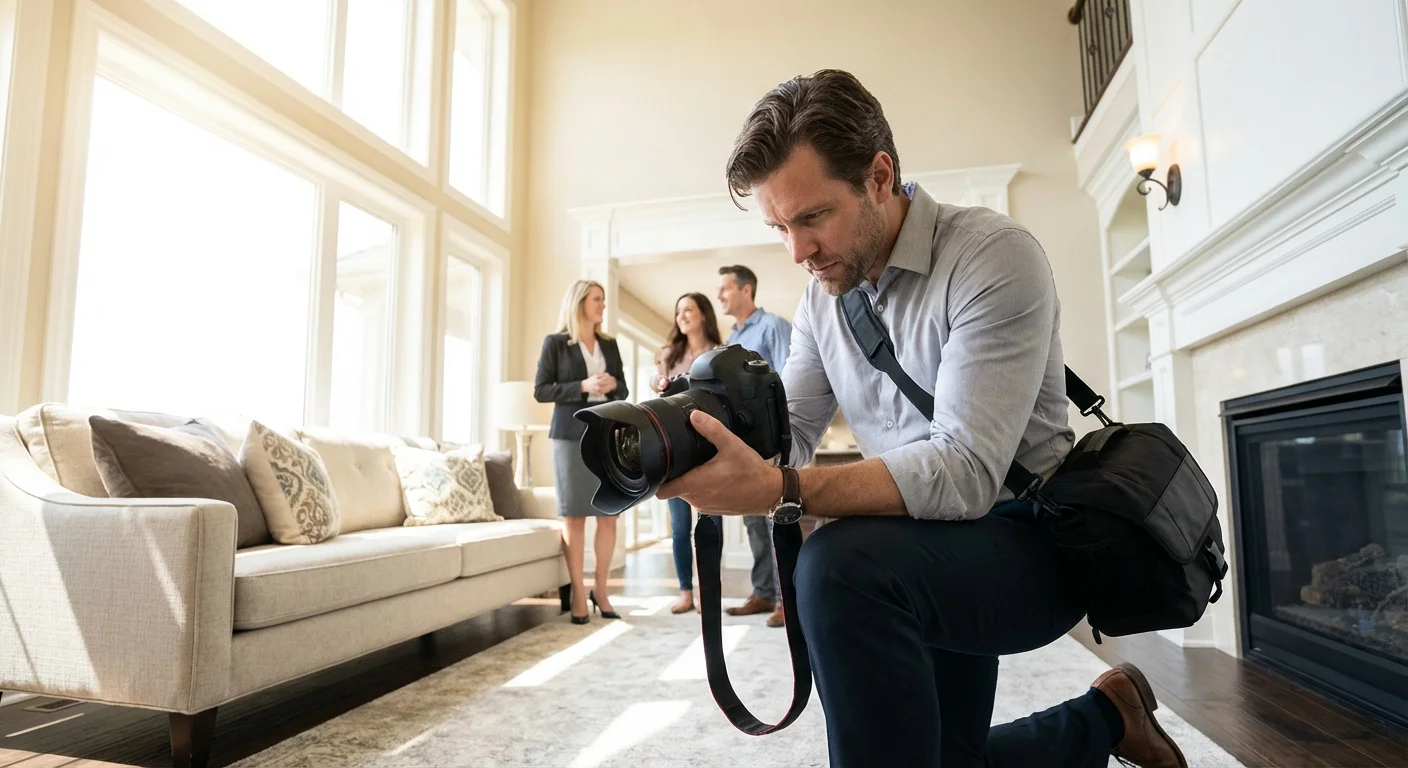
The psychological impact of a first impression cannot be overstated. A study by the National Association of Realtors consistently shows that listings with high-quality photos receive significantly more clicks and inquiries. This is because Professional Photography in Real Estate creates an emotional connection. When a photo is composed correctly, using the right focal length and exposure, it invites the viewer to step into the space. It creates a sense of “home” rather than just “house.” This emotional pull is what drives a buyer to schedule a physical viewing, which is the first major step toward a successful closing.
To maximize this initial impact, professionals focus on several key technical elements that amateur photography simply cannot replicate. These elements include:
- Vertical Alignment: Ensuring that walls and doorframes are perfectly straight to avoid a “leaning” effect.
- High Dynamic Range (HDR): Balancing the light from bright windows with the shadows in the corners of a room.
- Composition: Using the rule of thirds to guide the viewer’s eye toward the property’s unique selling points.
- Decluttering through the Lens: Knowing which angles hide imperfections and emphasize spaciousness.
Implementing these techniques requires more than just a good camera; it requires an artistic eye and a deep understanding of market trends. For those looking to refine their approach, following a definitive Professional Photography in Real Estate strategy for luxury listings can make the difference between a property sitting on the market for months or selling within days. Consistency in your visual brand also builds trust with sellers, who want to know their home is being presented in the best possible light.
Furthermore, the use of Professional Photography in Real Estate acts as a filter for serious buyers. High-quality photos provide a realistic yet flattering view of the home, which helps manage expectations. When the physical reality of the house matches the online “first impression,” the buyer’s trust in the agent increases. This transparency is vital for maintaining a smooth sales process. If you are interested in how creative workflows can enhance your overall business presentation, you might find inspiration in this highly creative UI/UX workflow, which emphasizes the importance of user experience—a concept that applies directly to how buyers experience a digital property listing.
“The first image a buyer sees isn’t just a photo; it’s an invitation to a new life. If that invitation looks unappealing, they will never walk through the front door.”
In a market where inventory can be high, standing out is a necessity. Professional Photography in Real Estate provides that competitive edge. It is an investment that pays for itself through higher selling prices and shorter days on market. Agents who skimp on photography often find themselves forced into price reductions, which cost far more than a professional photoshoot ever would. By prioritizing the “first impression,” you are essentially pre-selling the home before the buyer even steps foot on the driveway.
Ultimately, capturing potential buyers in seconds is about removing friction. A dark, blurry photo creates mental friction—the buyer has to work too hard to imagine the space. A bright, crisp, professionally shot image removes that barrier, allowing the buyer to immediately begin placing their own furniture in the rooms. This seamless transition from “viewer” to “prospective owner” is the hallmark of effective Professional Photography in Real Estate. As we move further into a visual-first culture, the quality of your imagery will continue to be the most significant factor in your real estate marketing success.
Why Professional Gear Outperforms Smartphone Photography
In an era where every smartphone claims to possess a “pro-grade” camera, it is easy to fall into the trap of thinking that a mobile device is sufficient for high-stakes property marketing. However, the reality of the market dictates a different standard. When we analyze the nuances of Professional Photography in Real Estate, the gap between a handheld mobile device and a full-frame sensor camera becomes an unbridgeable chasm. It is not merely about the number of megapixels; it is about how light is captured, processed, and translated into an emotional connection for the buyer.
The primary limitation of smartphones lies in the physical size of their image sensors. A professional DSLR or mirrorless camera houses a sensor many times larger than that of a phone. This allows for superior dynamic range, which is essential when shooting interiors with bright windows and dark corners. Without the hardware used in Professional Photography in Real Estate, you often end up with “blown-out” windows that look like white voids or shadowy rooms that lack detail. Professional gear ensures that every texture, from the grain of the hardwood floors to the view outside the balcony, is perfectly preserved.
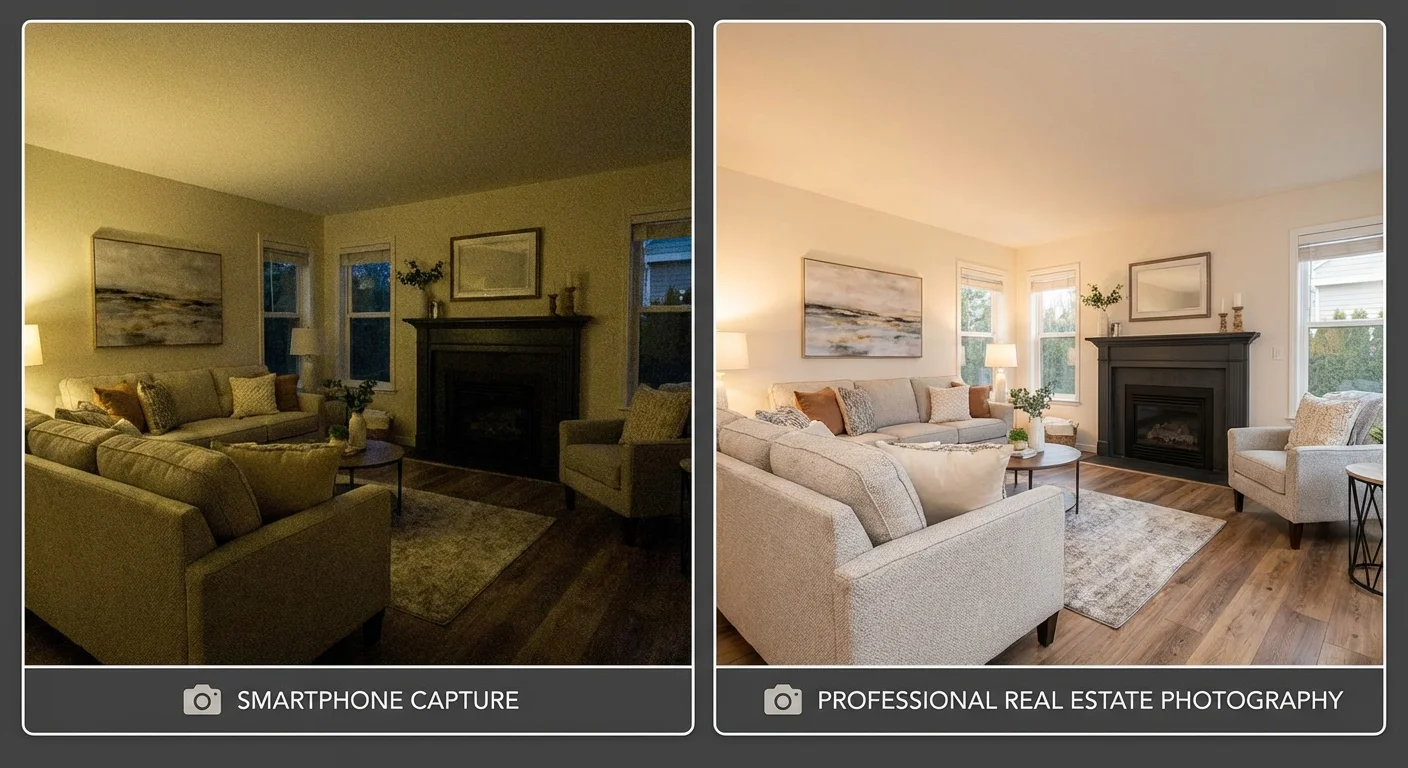
One of the most significant advantages of using dedicated equipment is the availability of specialized wide-angle lenses. While smartphones offer a “0.5x” zoom, these digital crops often introduce heavy distortion at the edges of the frame, making straight walls look curved and unnatural. In the world of Professional Photography in Real Estate, photographers use rectilinear lenses that maintain perfect vertical lines. This architectural integrity is vital for building trust with potential buyers, as it provides an honest yet flattering representation of the space.
The Technical Edge: Optics and Lighting
Beyond the camera body itself, the ecosystem of accessories plays a pivotal role. Professional Photography in Real Estate relies heavily on off-camera flash systems and HDR bracketing techniques that a smartphone simply cannot replicate with its automated software. By manually controlling the light, a professional can highlight the best features of a room while eliminating unsightly glares on television screens or polished countertops.
- Optical Clarity: Professional glass lenses offer sharpness that tiny plastic mobile lenses cannot match.
- Depth of Field: Larger sensors allow for a natural “bokeh” or focus fall-off, emphasizing specific design details.
- Low Light Performance: Professional gear produces minimal “noise” or grain in darker areas of a home.
- Color Accuracy: Dedicated sensors capture a wider color gamut, ensuring the paint colors look exactly as they do in person.
Furthermore, the workflow involved in Professional Photography in Real Estate extends far into the post-processing phase. While mobile apps offer quick filters, professional RAW files contain a massive amount of data that allows for precise color grading and perspective correction. This level of control is what separates a casual snapshot from a luxury listing. If you are looking to optimize your overall business output, you might find that a high-end Professional Photography in Real Estate approach for luxury listings is the only way to justify premium asking prices.
“The difference between a house that sits on the market and one that sparks a bidding war often comes down to the first three seconds a buyer spends looking at the lead image. Professional gear makes those seconds count.”
When considering the return on investment, the cost of hiring a professional or investing in high-end gear is negligible compared to the potential loss of a sale. High-quality imagery acts as a silent salesperson, working 24/7 on various listing portals. To understand more about how high-level creative processes can impact your brand’s visual identity, you can explore the highly creative UI/UX workflow from a Silicon Valley perspective, which shares many principles with professional architectural imaging.
Another factor to consider is the versatility of professional files. A photo taken for Professional Photography in Real Estate needs to look good not just on a small mobile screen, but also on large desktop monitors and in high-resolution printed brochures. Smartphone images often fall apart when enlarged, showing artifacts and compression that look unprofessional to high-net-worth clients. Professional equipment provides the resolution necessary for billboard-sized prints without losing a single detail of the property’s craftsmanship.
Ultimately, the choice of equipment reflects the value you place on the property itself. Using a smartphone might suggest a lack of effort or a “budget” feel, whereas Professional Photography in Real Estate signals quality, attention to detail, and a commitment to excellence. In a competitive market, these visual cues are what drive engagement and, eventually, successful closings. By prioritizing professional-grade optics and sensors, you ensure that every square foot of the property is presented in its absolute best light, literally and figuratively.
In conclusion, while technology has made mobile photography more accessible, it has not yet replaced the physics of light and glass. The depth, clarity, and professional polish provided by dedicated camera systems remain the gold standard. For those serious about their market presence, Professional Photography in Real Estate is not an optional luxury; it is a fundamental requirement for modern property marketing success.
The Role of Visual Storytelling in Modern Property Marketing
In today’s digital-first landscape, the first impression of a home happens on a smartphone screen. Visual storytelling has evolved from a luxury into a fundamental necessity. High-quality imagery does more than just show a room; it evokes an emotional connection, allowing potential buyers to envision their future life within those walls. This is why Professional Photography in Real Estate has become the cornerstone of any successful listing strategy.
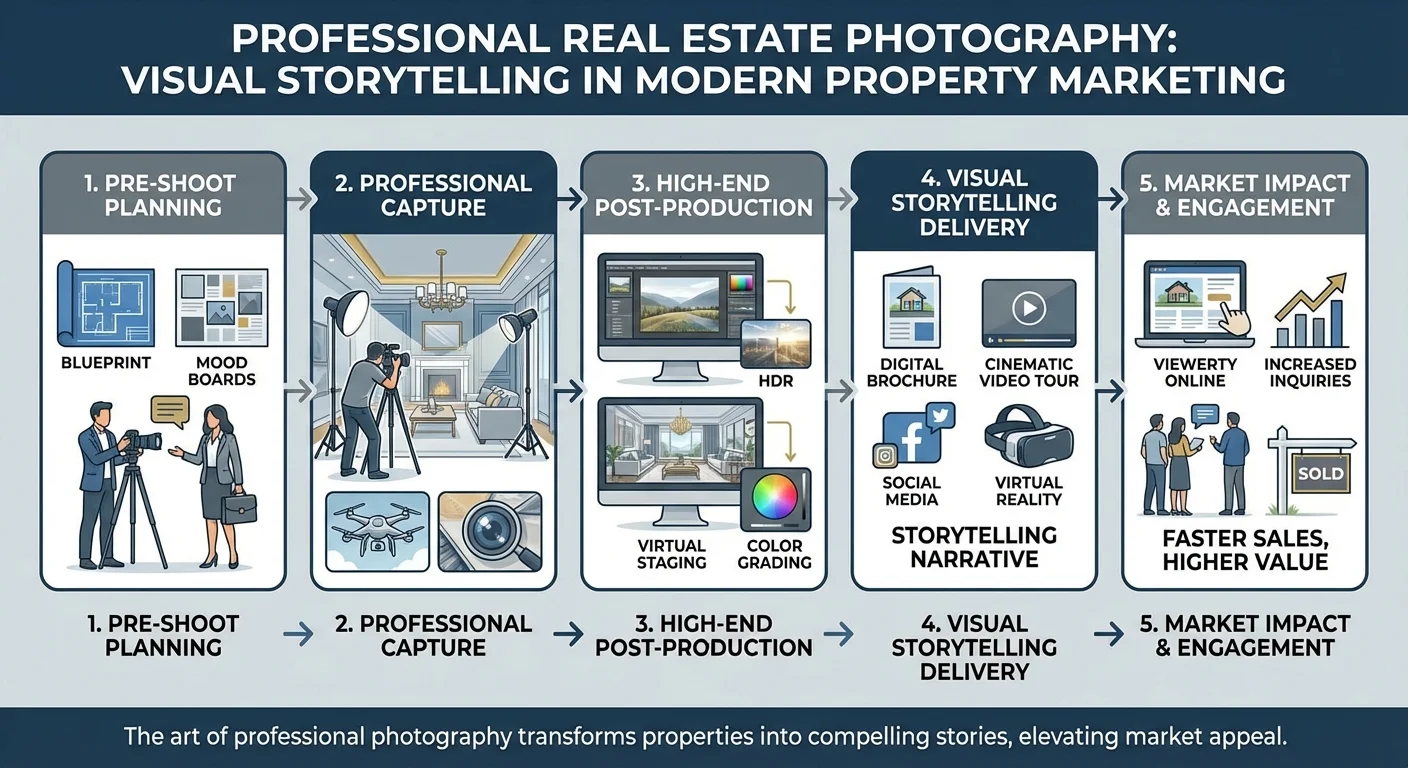
When agents invest in Professional Photography in Real Estate, they are not just buying pictures; they are crafting a narrative. A well-composed shot captures the flow of a house, highlighting architectural nuances that a standard mobile photo would miss. To truly stand out, many agencies are now adopting a comprehensive Professional Photography in Real Estate approach for luxury listings to ensure every angle is perfected.
The impact of Professional Photography in Real Estate on engagement metrics is undeniable. Listings with high-end visuals receive significantly more clicks and shares on social media platforms. To maximize your digital impact, you might also consider how a definitive guide to make a daily more productive working flow can help you manage these marketing assets more efficiently.
Key Benefits of Visual Narratives
- Increased Perceived Value: Professional Photography in Real Estate makes a property look well-maintained and premium.
- Faster Sales Cycles: Homes with professional images sell up to 32% faster than those without.
- Brand Authority: Consistent use of Professional Photography in Real Estate builds your reputation as a top-tier agent.
- Emotional Resonance: Lighting and staging techniques tell a story that resonates with the target demographic.
“Visual storytelling is the bridge between a physical structure and a buyer’s dream home.”
Ultimately, Professional Photography in Real Estate serves as the primary filter through which buyers judge a property. By prioritizing aesthetics and narrative flow, you ensure that your marketing efforts translate into physical viewings and, eventually, closed deals.
Choosing the Right Expert for Your Real Estate Visuals
Selecting the perfect partner for your property marketing is a decision that directly impacts your bottom line. When you invest in Professional Photography in Real Estate, you are not just buying images; you are acquiring a powerful sales tool. The right expert understands how to manipulate natural light, frame architectural features, and create an emotional connection with potential buyers through a lens.
To ensure you achieve the best results, consider these essential criteria when evaluating a specialist:
- A diverse portfolio showcasing various property types and lighting conditions.
- Advanced post-processing skills to ensure colors are vibrant and realistic.
- Fast turnaround times to keep up with the competitive housing market.
- High-quality equipment specifically designed for wide-angle architectural shots.
The impact of Professional Photography in Real Estate cannot be overstated. Listings with high-quality visuals receive significantly more clicks and inquiries than those with amateur photos. By prioritizing Professional Photography in Real Estate, you position your brand as a premium authority in the industry. It is about building trust before a client even steps foot inside the building.
“Quality imagery is the silent ambassador of your brand, speaking volumes about the value of the property you represent.”
If you are looking to optimize your digital presence further, you might find our definitive guide to make a daily more productive working flow helpful for managing your marketing schedule. Efficiency is key when coordinating with photographers and staging teams. Remember that Professional Photography in Real Estate for luxury listings requires a specific eye for detail that standard services might overlook.
Ultimately, Professional Photography in Real Estate serves as the foundation of your digital storefront. In an era where the first showing happens on a smartphone screen, the clarity and composition of your images determine whether a lead converts into a viewing. Choosing an expert who masters Professional Photography in Real Estate ensures your portfolio stands out in a crowded marketplace, driving faster sales and higher closing prices for every listing you manage.
In today’s competitive digital market, high-quality visuals are no longer optional for successful property listings. Investing in Professional Photography in Real Estate ensures that your home stands out, attracts serious buyers, and ultimately secures a higher final selling price. By highlighting the unique features and spatial flow of a property, expert images build immediate trust and emotional engagement with potential clients online.
To maximize your property’s market potential, you must prioritize professional visual storytelling. High-resolution photos create a lasting first impression that drives physical viewings and faster offers. Do not leave your most valuable asset to chance with amateur snapshots. Contact our expert team today to schedule a session and discover how Professional Photography in Real Estate can transform your listing into a sold property. Let us help you capture the perfect shot that guarantees your real estate success right now.
FAQ
Why is professional photography in real estate essential for selling a home?
High-quality images capture a buyer’s attention within seconds and significantly increase the number of online views. Utilizing professional photography in real estate ensures that the property’s best features are highlighted, leading to faster sales and higher closing prices.
How does professional photography in real estate impact the perceived value of a property?
Professional lighting and composition create a sense of luxury and care that amateur photos cannot replicate. This elevated presentation establishes a higher perceived value, making potential buyers more willing to pay the asking price for a well-documented home.
What are the key elements included in a professional real estate photo shoot?
A typical shoot includes wide-angle shots, HDR processing, and careful staging to maximize space and natural light. Professional photographers also use advanced editing techniques to ensure colors are accurate and distracting elements are removed.
Service & Contact
Locatie: Marbella, Spain
Werkgebied: Marbella, Málaga, Costa del Sol, Andalusia, Spain, Remote, Worldwide
Diensten: Professional Real Estate Photography, HDR Interior Photography, Exterior & Curb Appeal Photography, Drone/Aerial Photography, Twilight/Dusk Photography, Floor Plan Creation, Matterport 3D Virtual Tours, Video Walkthroughs/Reels, Photo Retouching & Color Correction, Image Optimization for MLS & Web, Listing Media Strategy (shot list + angles), On-Brand Marketing Pack (cover image + social crops)
Openingstijden: Mon-Fri 09:00-18:00
